
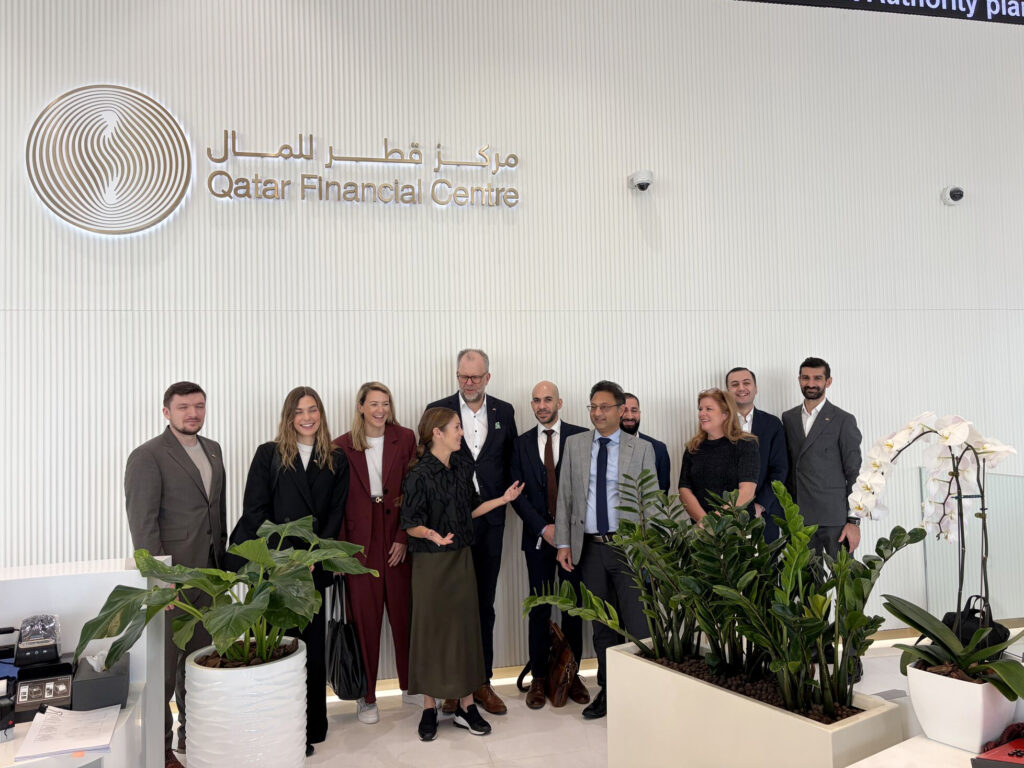
For the third year in a row, Ignite and SISP – Swedish Incubators & Science Parks – brought a Swedish delegation of deeptech startups, investors, and ecosystem representatives to Web Summit Qatar, all with a shared objective: to connect Swedish innovation with concrete opportunities in Qatar and the wider MENA region.
What began four years ago as an exploration of collaboration has now evolved into a long-term, business-driven partnership between the Swedish and Qatari innovation ecosystems.
“Through Ignite Sweden and SISP, we are connected to the entire Swedish innovation ecosystem, including more than 60 incubators and science parks across the country, and we need to find the right markets for their startups. That’s why collaborating with different countries is crucial,” said Maria Olofsson, VP Ecosystems at Ignite Sweden and one of the organizers of the delegation. “Qatar is particularly interesting, as it aligns with our priority areas and offers an excellent platform for collaboration.”
Qatar is today one of the fastest-growing innovation markets globally, with strong public investment and a clear ambition to become a gateway to the Gulf Cooperation Council and the wider MENA region. With a growing focus on AI, sustainability, energy, mobility and healthtech, the alignment with Sweden’s strengths is evident.
A Record Delegation Building Real Traction
From life science to transport, logistics, energy and AI, the breadth of the Swedish delegation reflected the maturity of the collaboration.
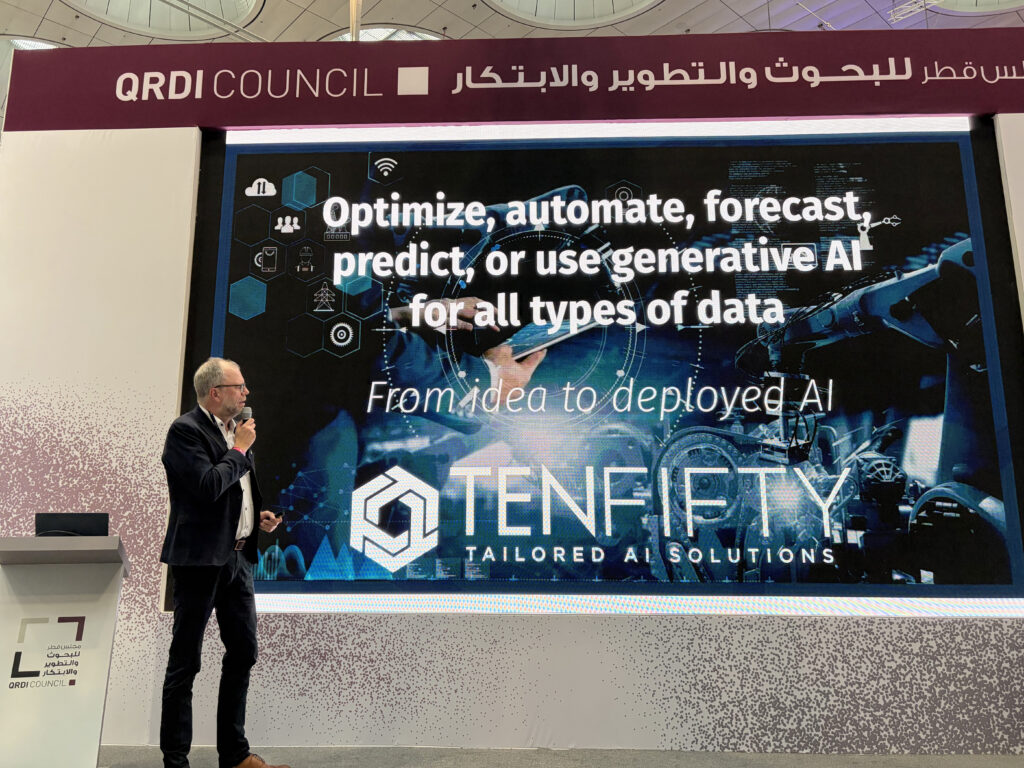
The 2026 delegation brought together nine cutting-edge Swedish startups and scaleups: Anocca, Elonroad, Flasheye, Flowity, Spritju, Tenfifty, Viscando, Viviotex, and XENSE Vision. The group was further strengthened by investor and corporate venture capital representatives from Bling Capital and Scania Group Ventures & New Business, as well as ecosystem representation from Science Park Gotland.
The delegation was co-organized by Maria Olofsson from Ignite Sweden and Sasan Shaba, VP Philanthropy and International Cooperation at SISP – Swedish Incubators & Science Parks.
H.E. Gautam S. Bhattacharyya, Ambassador of Sweden to the State of Qatar, underlined the progress made over the years:
“The traction we are seeing this year is unprecedented. If we compare it to the first year, we were still fairly new and trying to understand the system. I can see that the discussions this year are much more practical, down to earth and to the point, which is really encouraging.”
“It’s really important to show up every year,” Maria said in an interview with the Doha-based newspaper The Peninsula. “Relationships are built over time, and each year strengthens them. This year, we already have strong foundations, and that can lead to even more fruitful collaborations.”
Relationships First, Business Follows
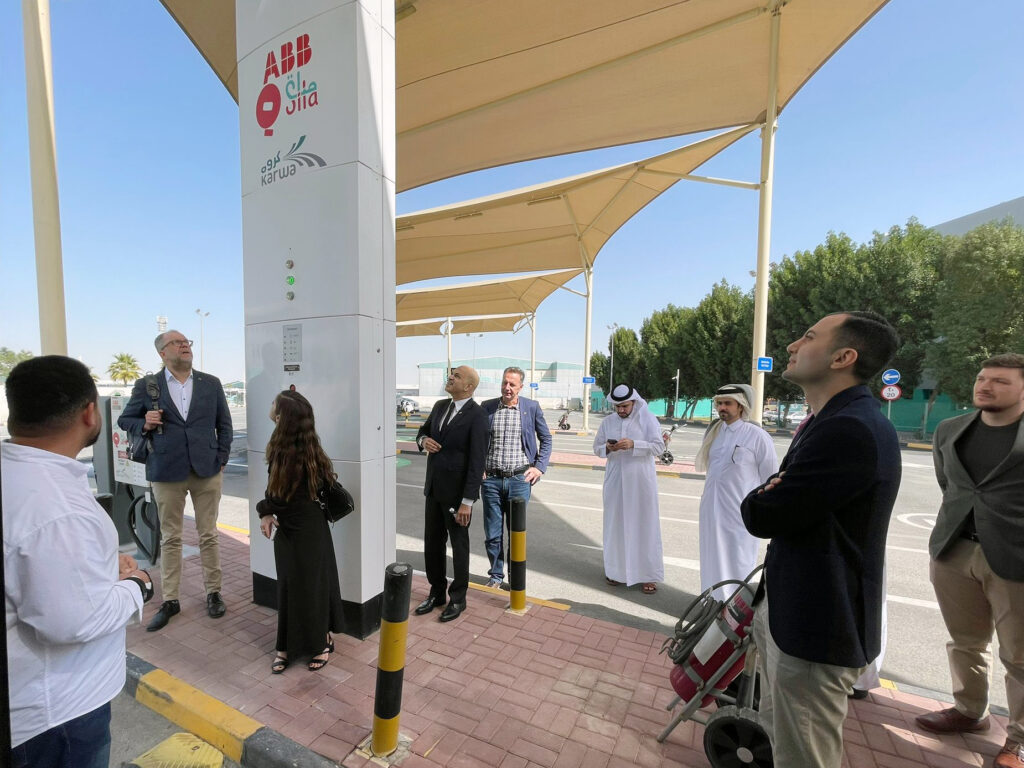
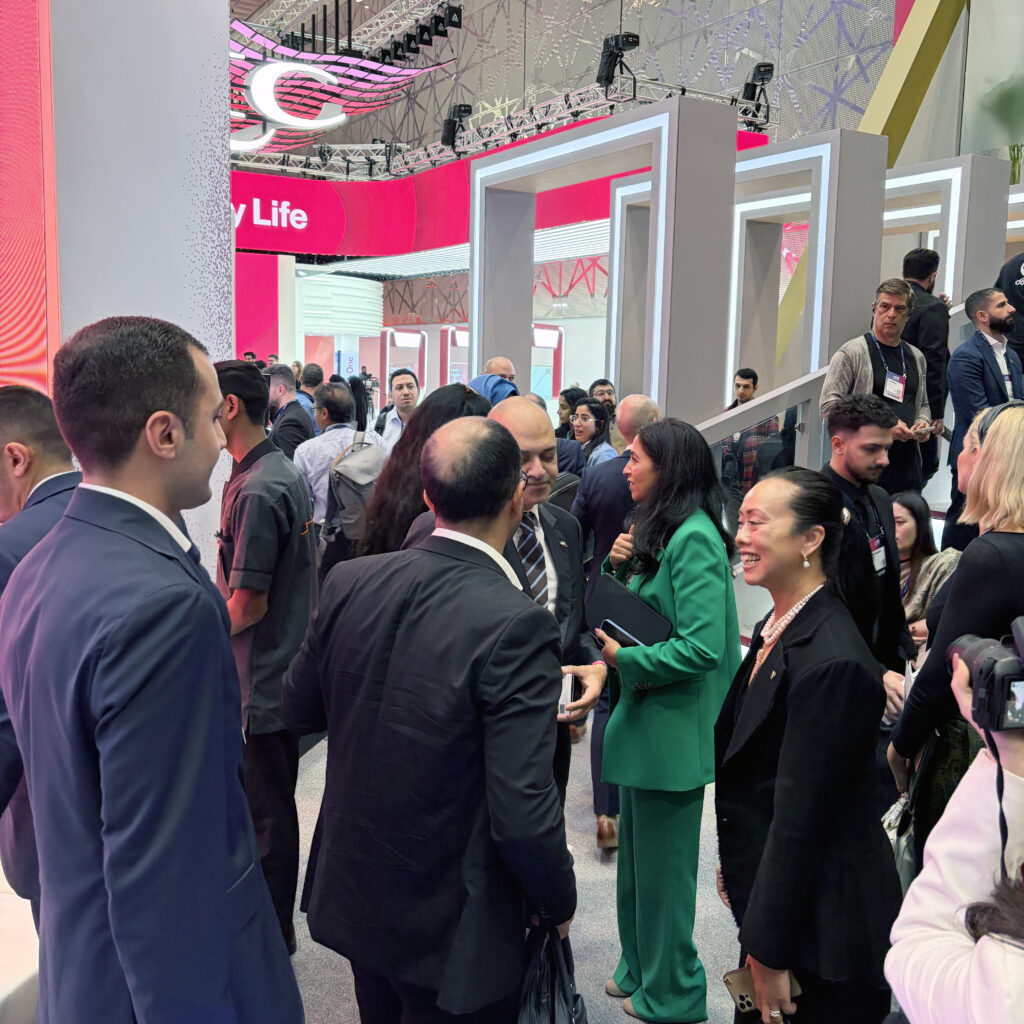
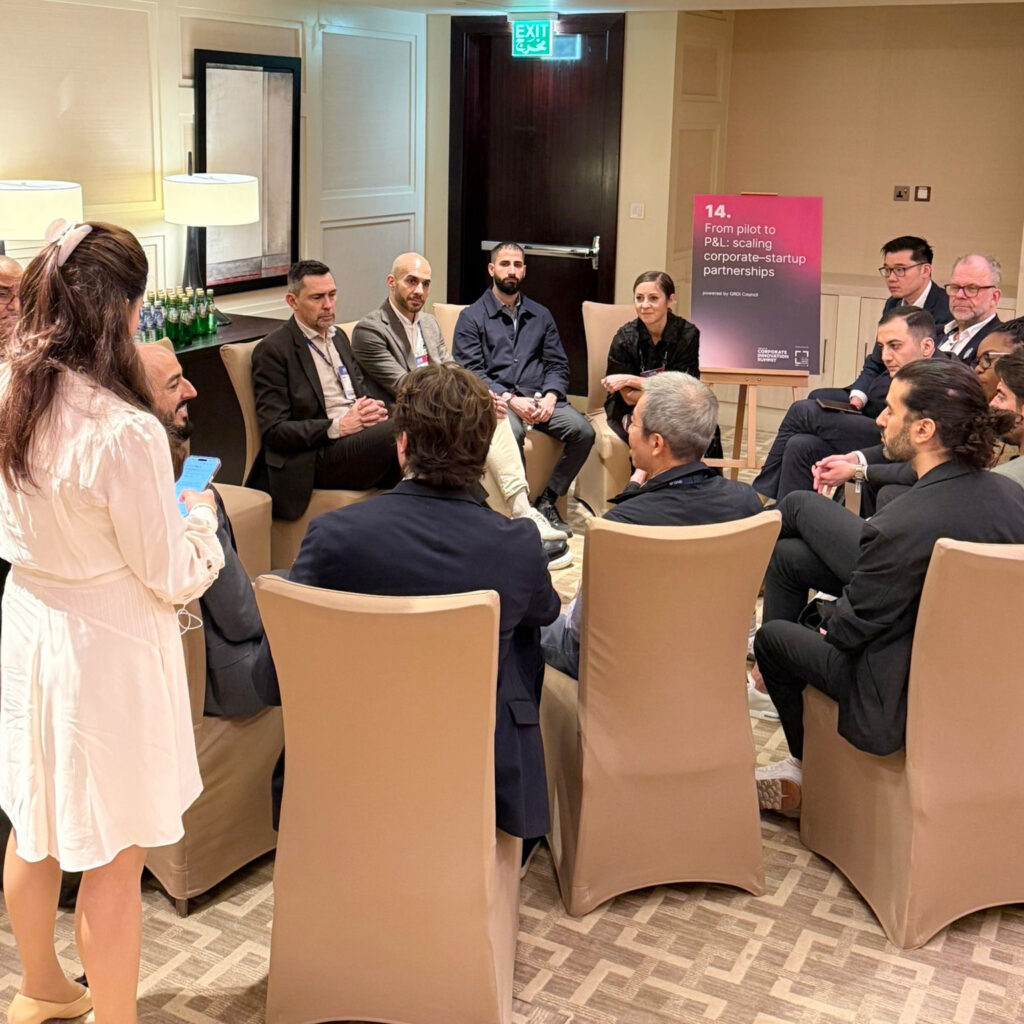
Throughout the week, the delegation participated in a Corporate Innovation Summit, high-level meetings, roundtables with the Qatar Research, Development and Innovation Council (QRDI), meetings with Qatari Diar, Qatar Investment Authority, Mowasalat and Qatar Foundation, as well as a dedicated Swedish Startup Pitch Session at the QRDI Pavilion during Web Summit.
Beyond the program itself, what made the strongest impression was the culture of doing business.
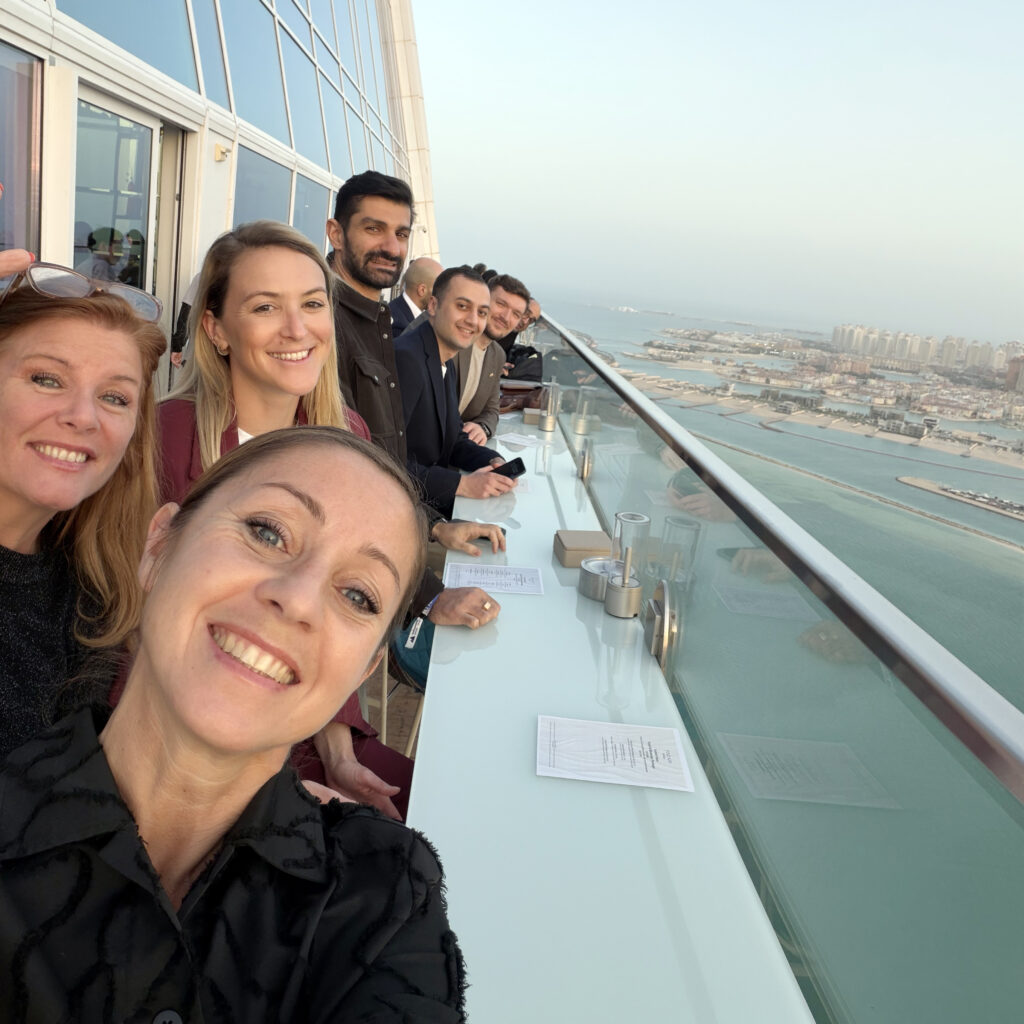
“What really stood out was the belief that to do things together, you first build relationships,” Maria reflected. “You sit down for coffee, look each other in the eye, take the time to listen. There is a true walk-in culture — you don’t always need a booked meeting to start a meaningful conversation.”
That relational approach resonated strongly with the startups. Karin Ebbinghaus, CEO of the sustainable transport scaleup Elonroad, shared a very positive impression of both the people and the country.“There is a clear vision here to not stagnate or remain dependent on oil and gas, but to build a more diversified innovation and technology ecosystem. It’s impressive to see,” she said. “The people have been incredibly generous in welcoming us and sharing their networks. The pace of work is different from what we are used to in Scandinavia — less stress, greater focus on relationships. Here, you do business with people you genuinely like.”
From Flowity, the experience was equally positive. Syed Sohail Abbass described Web Summit Qatar as “the perfect hub for meeting innovators and industry leaders,” emphasizing the hospitality, openness, and genuine friendliness encountered during the week.
From Presence to Practical Collaboration
Beyond networking, the delegation engaged in practical, sector-specific discussions around urban development, infrastructure, mobility, AI and health innovation, areas where Swedish expertise clearly matches Qatari priorities.
Maria emphasized the value of meeting decision-makers in person in Doha.
“In one room, with top executives from a very large organization, the match between their needs and the startups’ solutions was so clear that it was hard not to get excited. I truly believe — and hope — that several collaborations will come out of this.”
Martin Blaszczyk, Head of Sales & Partnerships at Flasheye, highlighted the structured support available for companies looking to establish locally.“We have seen how the country is really investing in innovation, with strong setups for startups that want to establish themselves, develop and carry out pilot projects. Hopefully we are back in a year with a completed pilot project together with a local partner and the next step in our expansion in the region.”
Key Takeaways From The Delegation
- Relationships drive business in Qatar. Long-term presence and trust-building are essential. Showing up consistently matters.
- Alignment in priority areas. Sustainability, mobility, AI, healthtech and research-driven innovation are shared focus areas.
- Strong institutional backing. Qatar is building real structures —from QRDI funding to the Qatar Investment Authority (QIA) Fund of Funds program— to attract and scale innovation.
- Growing maturity in dialogue. Compared to previous years, discussions are now more concrete and operational.
- Clear market relevance for Swedish deeptech. The solutions presented matched real needs among corporates and public organizations.
- A gateway to the MENA region. Qatar offers not only a domestic market but a strategic entry point to the wider region.
Acknowledgements
This initiative would not have been possible without the support of H.E. Gautam S. Bhattacharyya and Mia Månsbacka from the Embassy of Sweden in Qatar, as well as the QRDI team, including Hind Zaki and Malik Habayeb.
The fifth edition of Healthtech Matchday gathered startups, corporates, and public organizations in Gothenburg for a full day focused on collaboration within healthcare and life science.
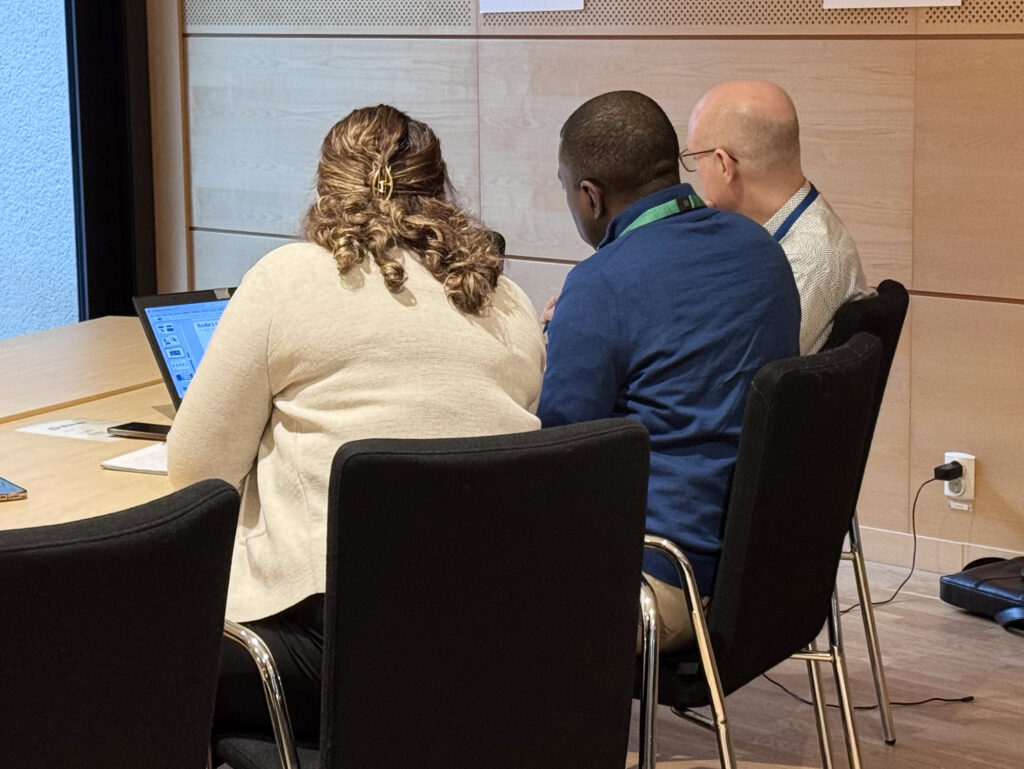
Hosted at Sahlgrenska Science Park, the event welcomed more than 55 participants and enabled over 45 curated meetings, connecting 39 startups with 8 established organizations and creating space for concrete discussions around commercial collaboration opportunities.
Participating organizations included AstraZeneca, Cambio, IBM, L’Oréal, Mölnlycke Health Care, Novartis, and the municipalities of Umeå and Uppsala — all engaging with startups to explore collaboration potential.
Matchmaking That Creates Momentum
For startup participants, the in-person format played a key role in building trust and momentum.
Aperya, which develops a patent-pending microsphere ingredient that boosts key-ingredient absorption by 100x, was one of the startups taking part in Healthtech Matchday. Co-founder Niclas Roxhed highlighted the value of deeper conversations made possible by meeting in person.
“I think meeting potential customers in person is fundamental to establishing a relationship with them. I wouldn’t have been able to have that kind of meeting online and get all the nitty-gritty details. I also got insights I hadn’t thought about and that we can work on to approach the customer or stakeholder more easily. It was a really good meeting, so it was definitely worth coming here to Gothenburg to have it.”
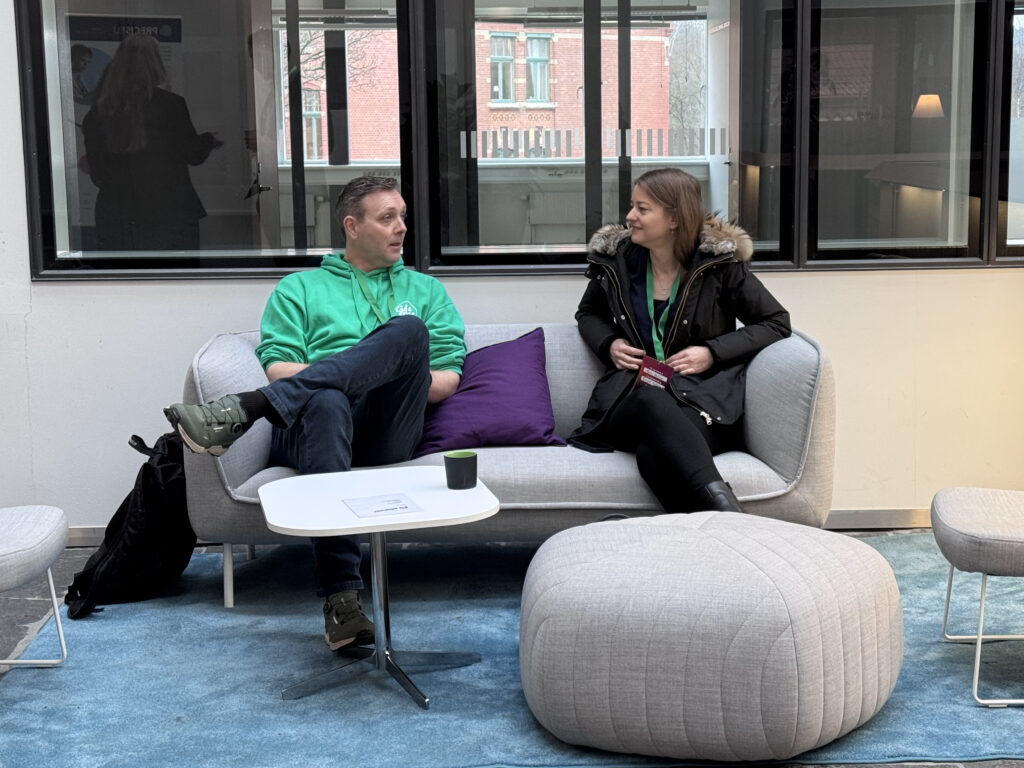
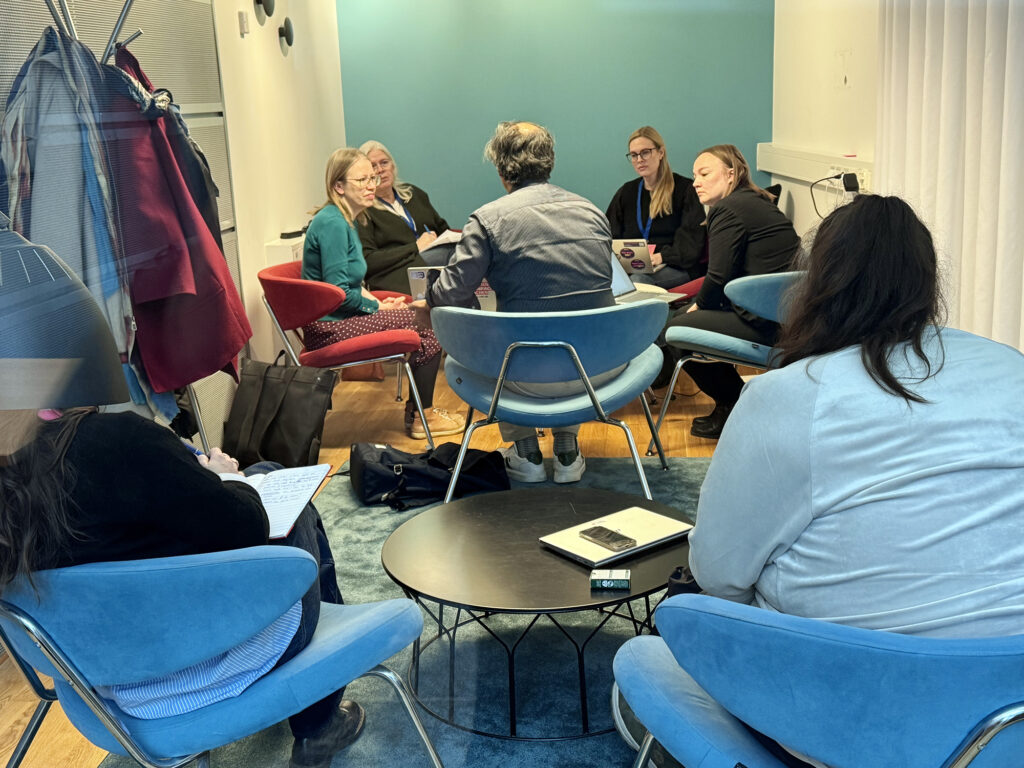
The importance of face-to-face meetings was echoed by Ebenezer Twumasi Afriyie, CEO of Xcida, which develops nanocomposites for biocide-free antimicrobial applications.
“I think physical meetings are much better than digital ones because you can read people’s body language and tell whether they’re interested or not.”
Beyond meetings with established organizations, the matchmaking also created unexpected connections between startups themselves.
“I met different startups. It’s quite good to learn about their solutions and to see how things are going for them. I talked, for example, to one startup about what they are doing. Even if it’s not close to what we are doing, who knows, there could be a little bit of synergy in the future,” says Ebenezer.
A Shared Reflection on the Future of Healthcare Innovation
Ahead of the matchmaking, a round table discussion brought together actors from across the ecosystem — from public organizations and corporates to incubators and science parks — to reflect on how healthcare innovation can move faster and further.
The conversation focused on the importance of leadership and on creating the right conditions for collaboration with startups to succeed at scale, built on the conclusions of the innovation project SIISH (Snabbare implementering av innovationer i svensk hälso- och sjukvård) as a starting point.
Rather than treating innovation as isolated pilots, participants emphasized the need for long-term commitment, clear ownership, and collaboration across organizational boundaries.
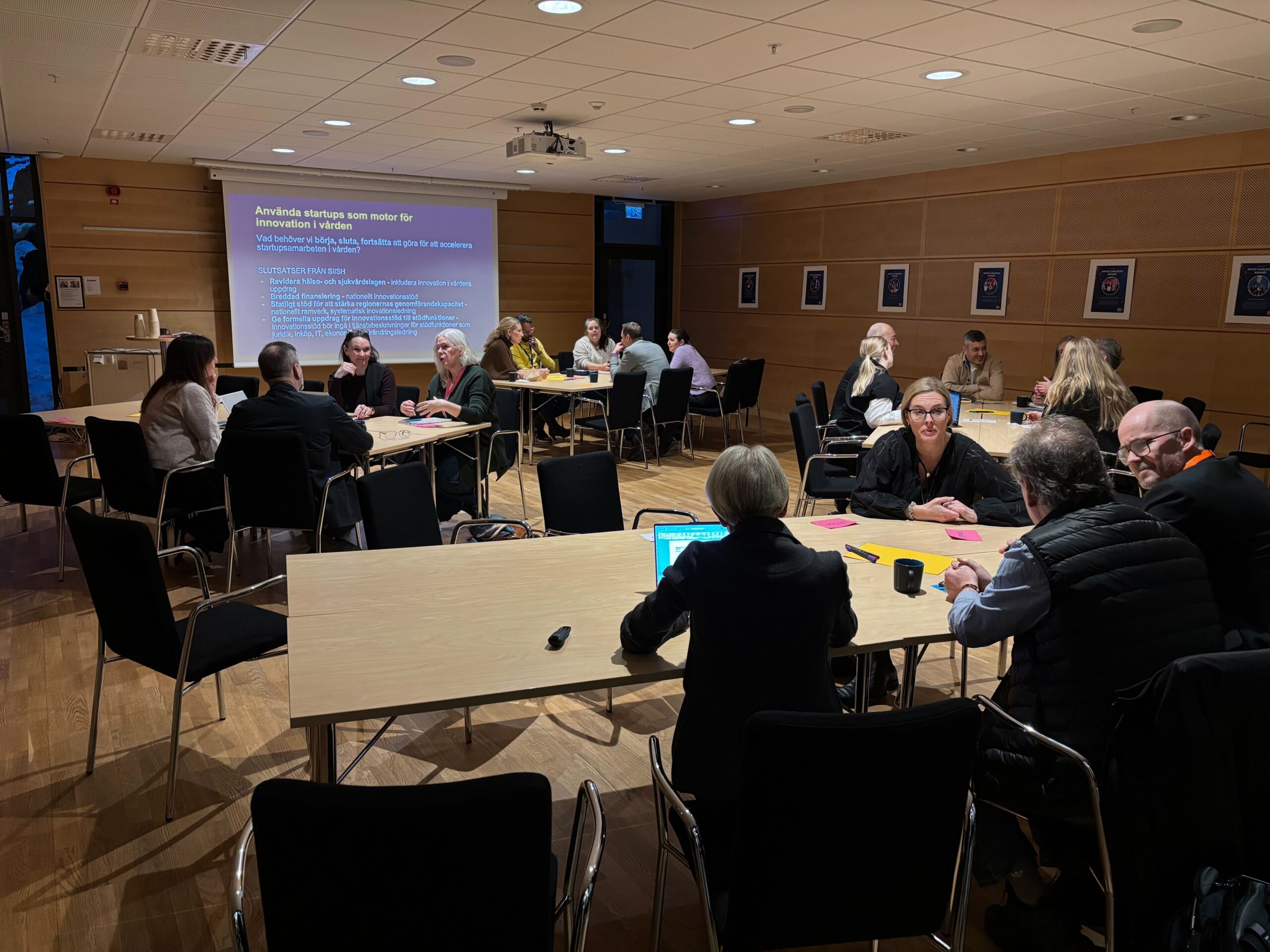
Key insights from the discussion:
- Innovation must be formalized as part of healthcare’s mission, supported by mandate and delivery capacity.
- Support functions need clear innovation responsibilities to avoid slow, uncertain, person-dependent processes.
- Healthcare must define needs, target impact, and post-pilot ownership to move faster toward implementation.
- Culture and risk aversion remain barriers — leadership must build courage and pride in implementation.
- Inclusive language and cross-sector collaboration enable stronger impact, especially around real-life care flows.
The prestigious journal published an article written by researchers from Umeå University, OsloMet, and BI Norwegian Business School with insights from matchmaking meetings enabled by Ignite.
Led by Medhanie Gaim (Oslo Business School, Oslo Met & Umeå University), Elie Saad (Umeå University), and Sujith Nair (BI Norwegian Business School), the research was conducted in collaboration with Ignite Sweden and is based on the analysis of more than 100 startup–corporate matchmaking meetings, as well as interviews with startup founders and corporate innovation managers.
The article explores how startup–corporate partnerships form in their earliest stages and why many promising collaborations struggle to move forward, despite clear mutual benefits.
Pathways to Successful Startup-Corporate Partnerships
The study identifies two common pathways to partnership.
The first, co-creation, occurs when startups spark corporate interest through relevance or novelty, and both parties gradually shape the opportunity together.
The second, discovery, emerges when corporates bring a clearly defined problem and startups demonstrate that they already have a viable, ready-to-fit solution.
In addition, the research highlights three recurring “pathbreakers” that often disrupt partnership formation:
- Speed mismatch, when startups move faster than corporate decision-making processes
- Relational disconnect, caused by misalignment or changes in key stakeholders
- Project dormancy, where promising initiatives stall without clear next steps
By outlining these pathways and challenges, the article offers practical, evidence-based guidance for startups seeking to collaborate with corporates, and for established organizations looking to work more effectively with startups.
Read the full article in California Management Review here.
Watch the video summary of the article
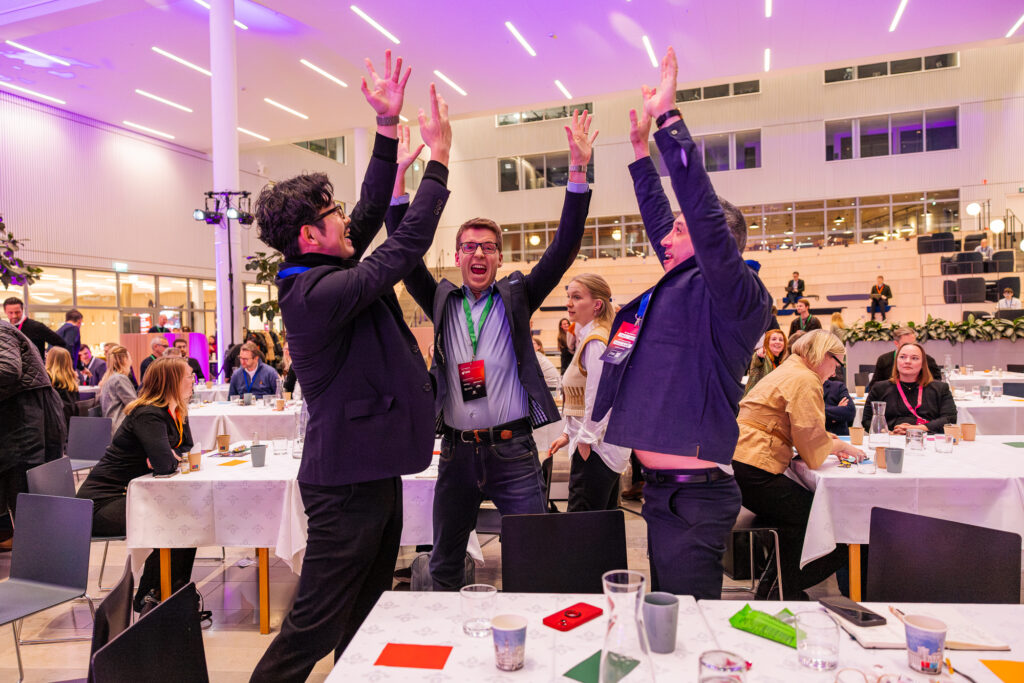
The latest edition of our flagship event brought together 192 representatives from startups, corporates, incubators, public organizations, and key actors across the Swedish and Nordic innovation ecosystem in Gothenburg.
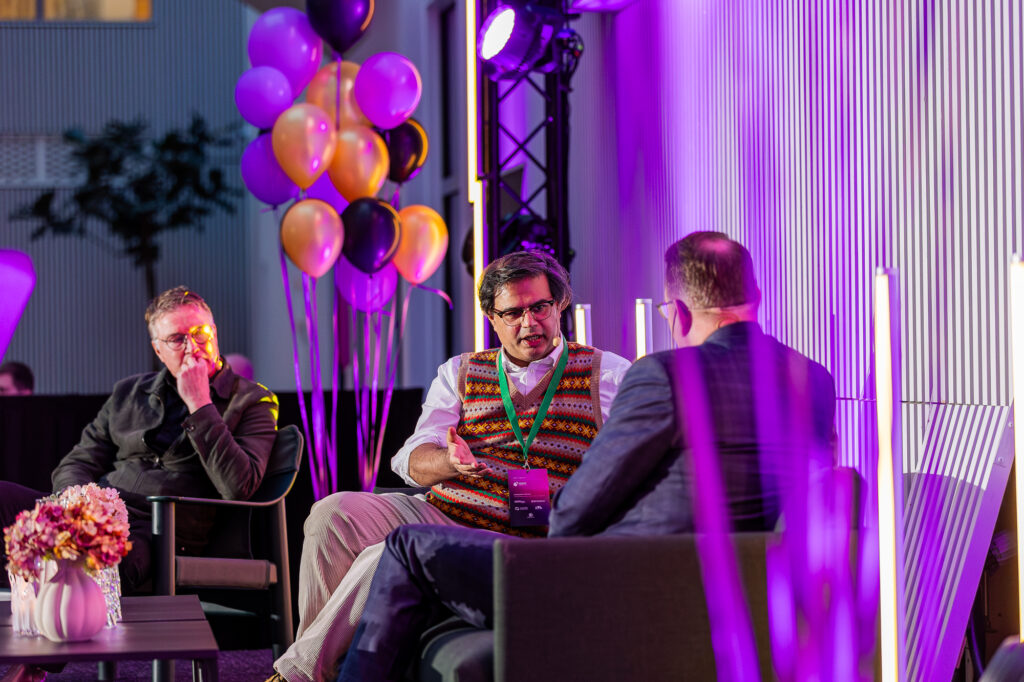
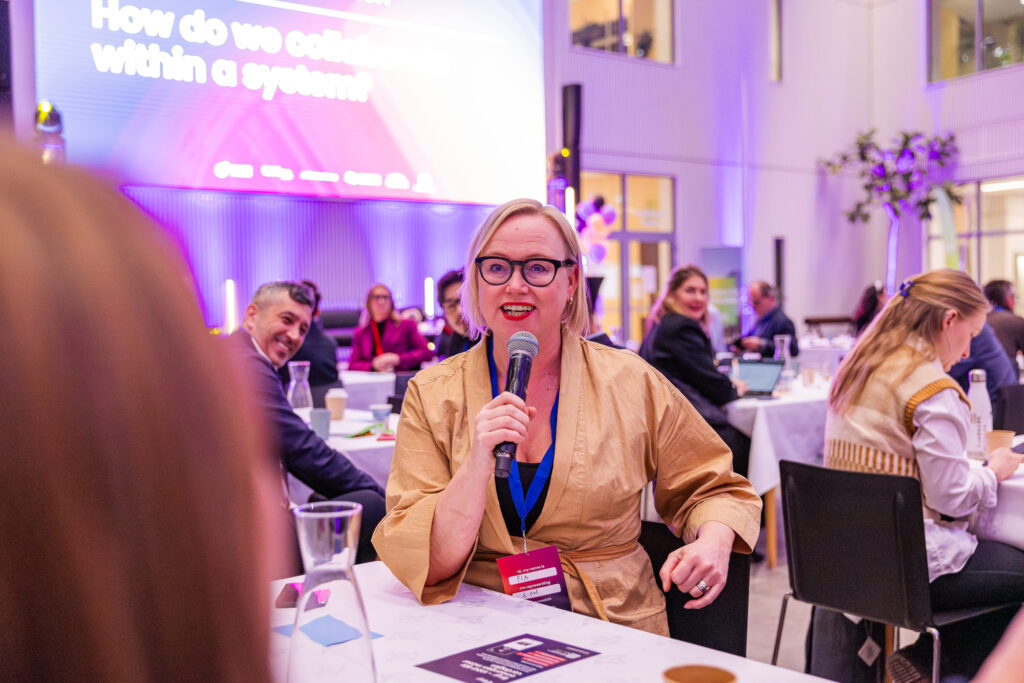
This year’s edition explored the journey toward innovation through startup collaboration. Throughout the afternoon, participants followed stories from startups, corporates, public organizations, and ecosystem partners, highlighting both the opportunities and the challenges that arise when working with startups across different sectors and contexts, and the learnings that come with them.
The program featured collaboration cases, keynotes, expert panels, roundtable discussions, and —for the first time ever— a live matchmaking session on stage between the energy company Skellefteå Kraft and the startup Mabel AI.
One of the highlights of the day was the announcement of Ignite’s launch in Norway, as a first step in Ignite’s Nordic expansion.
Key Takeaways from the Stage
The Summit served as a melting pot of ideas, leaving participants with concrete and actionable insights on how to build successful startup collaborations.
Speakers who took to the stage to share their perspectives on innovation and collaboration included Andréa Råsberg (Reach for Change), Andreas Göthberg (Business Region Göteborg), Camilla Jägerving Isaksson (Umeå Municipality), Conny Reidefors (Skellefteå Kraft), Frida Hedström (Movexum), Gustav Gorecki (David & Goliath Ventures), Håkan Axelsson (Ignite Sweden), Johan Weidolf Nyström (Librixer), Katarina Bennich (SISP – Swedish Incubators & Science Parks), Kati Pärn (Startup Estonia), Katharina Paoli (Nudgd), Malin Frithiofsson (Daya Ventures), Moa Borland (Emulate), Niklas Sikström (Ignite Sweden), Olivia Nestius (Graphmatech), and Sara Hamlin (Ignite Sweden).
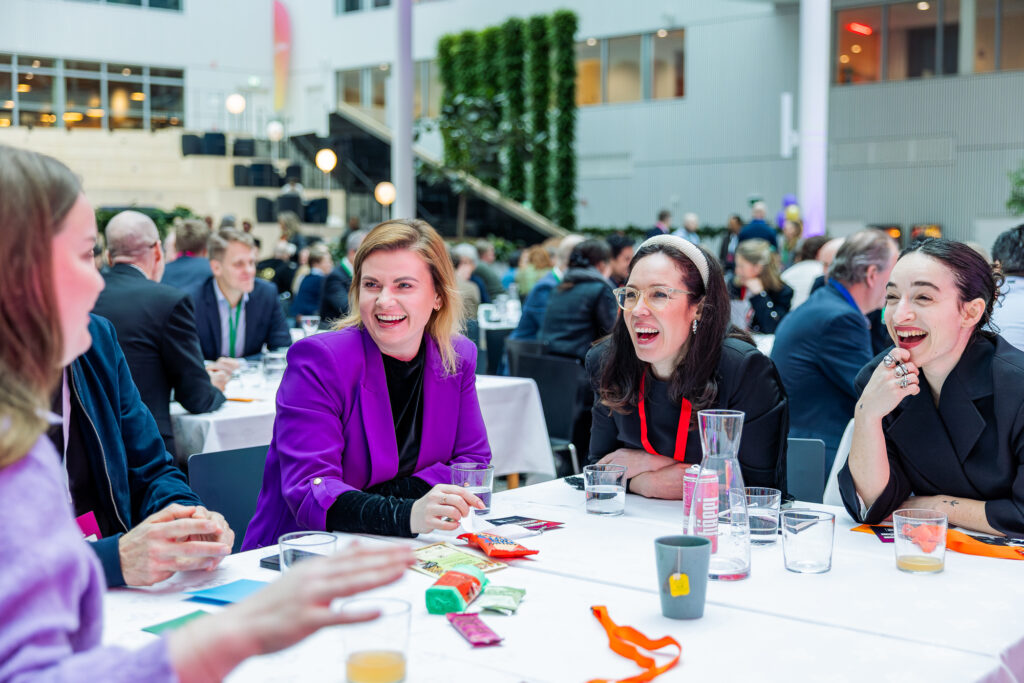
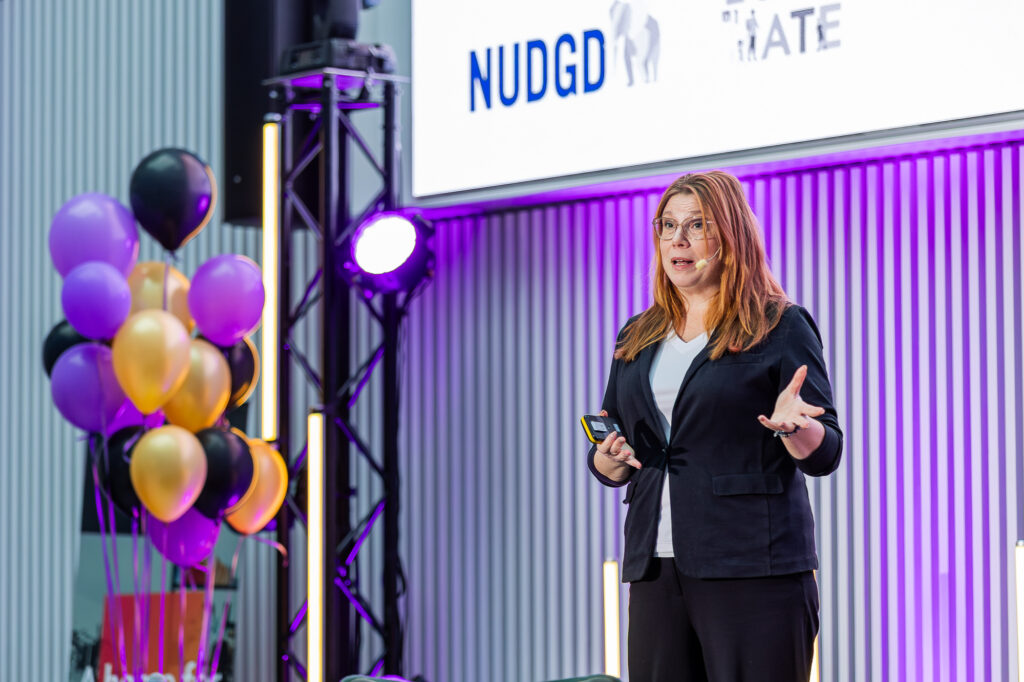
Among the key takeaways shared throughout the day were:
- Stepping outside the office to engage with peers across the ecosystem creates space for new perspectives and ways of thinking.
- Informal, everyday conversations can be the starting point for startup collaborations.
- Treat innovation as a business priority, not a side project, with clear ownership, mandate, and resources.
- Budget creates commitment — without a budget, collaboration risks remaining theoretical.
- The strongest collaborations are built on mutual commitment to solving problems that truly matter.
- Dare to start small, but with a clear ambition and defined next steps if the collaboration succeeds.
- Involve the right internal stakeholders early, as this significantly improves decision-making and meeting quality.
- Cross-industry and cross-border collaboration enables scale, turning local solutions into systemic impact.
The Collaboration Heroes of 2025
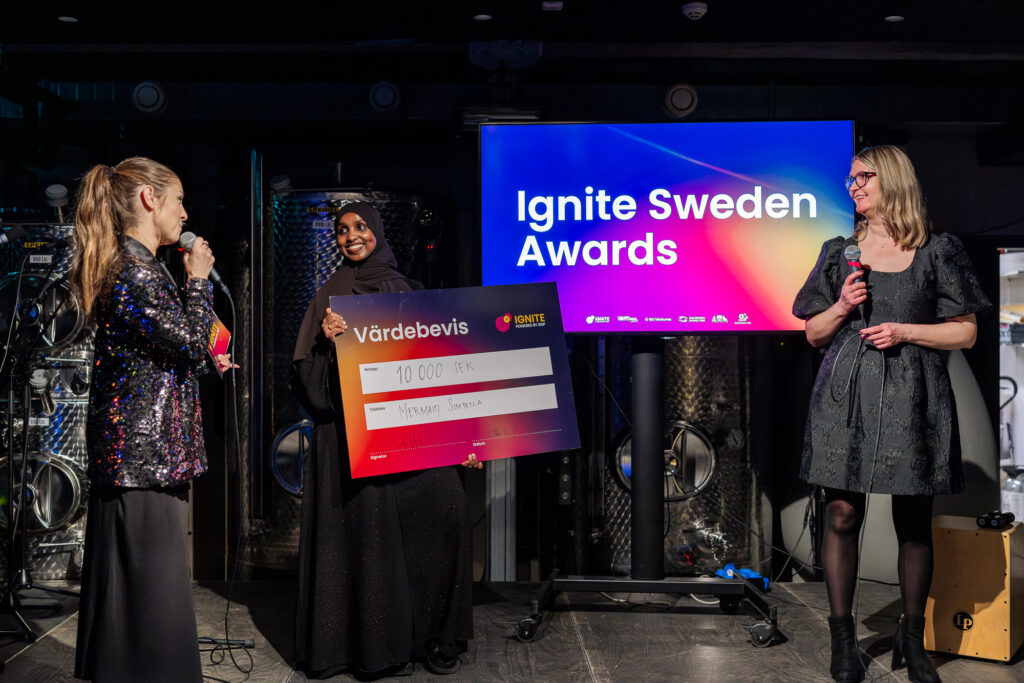
The Summit also hosted the 9th annual Ignite Awards, celebrating organizations that have driven impactful startup collaborations during 2025. The awards recognize excellence across the innovation ecosystem, including startups, corporates, public organizations, and incubators.
These are the winners of the Ignite Awards 2025:
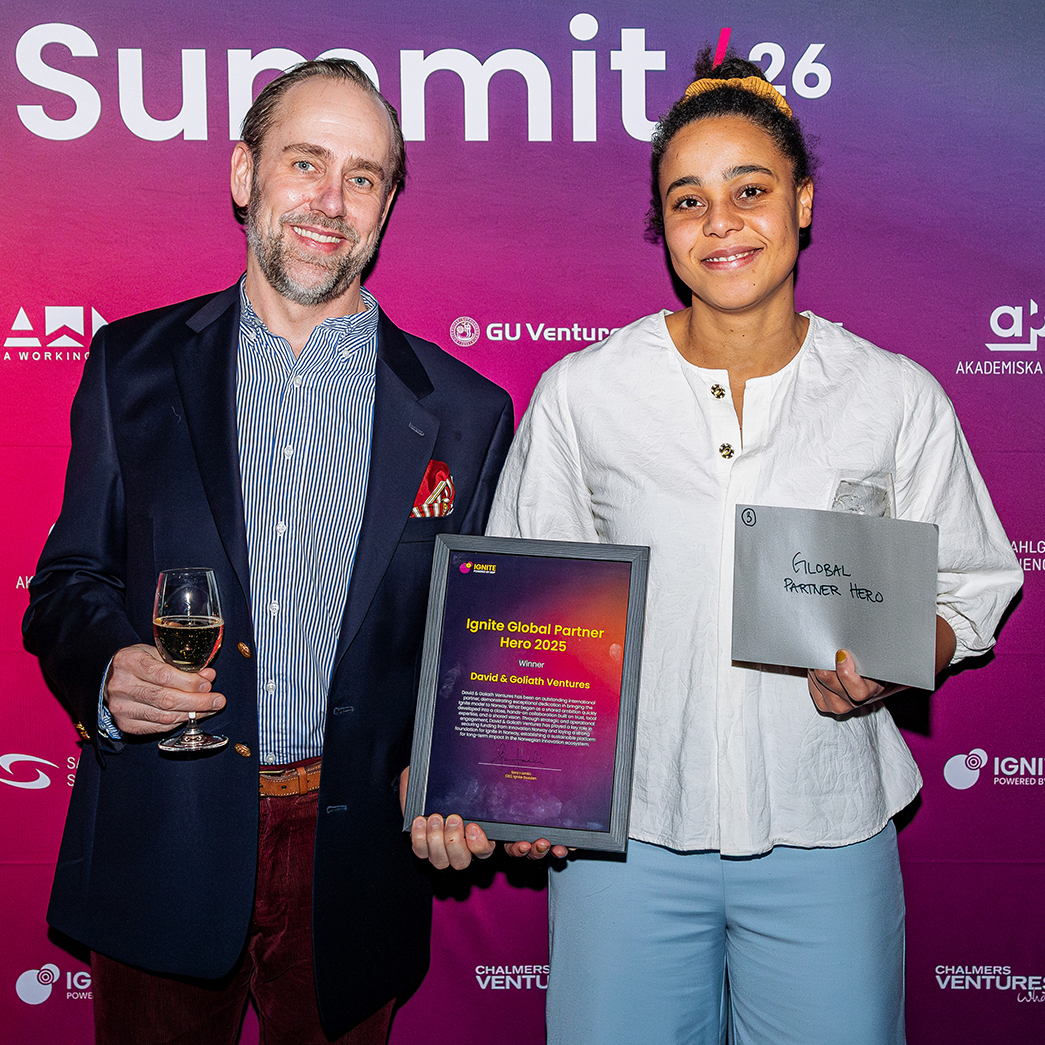
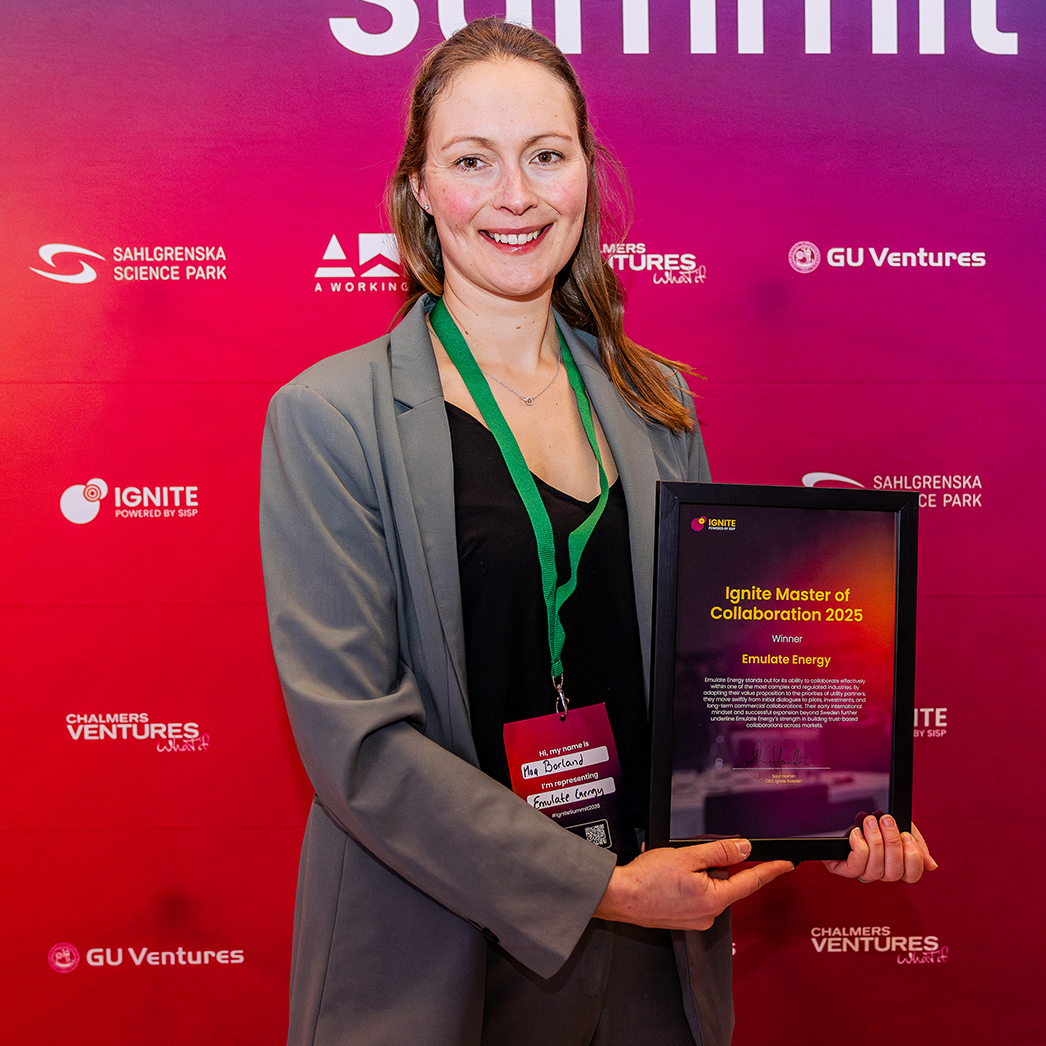
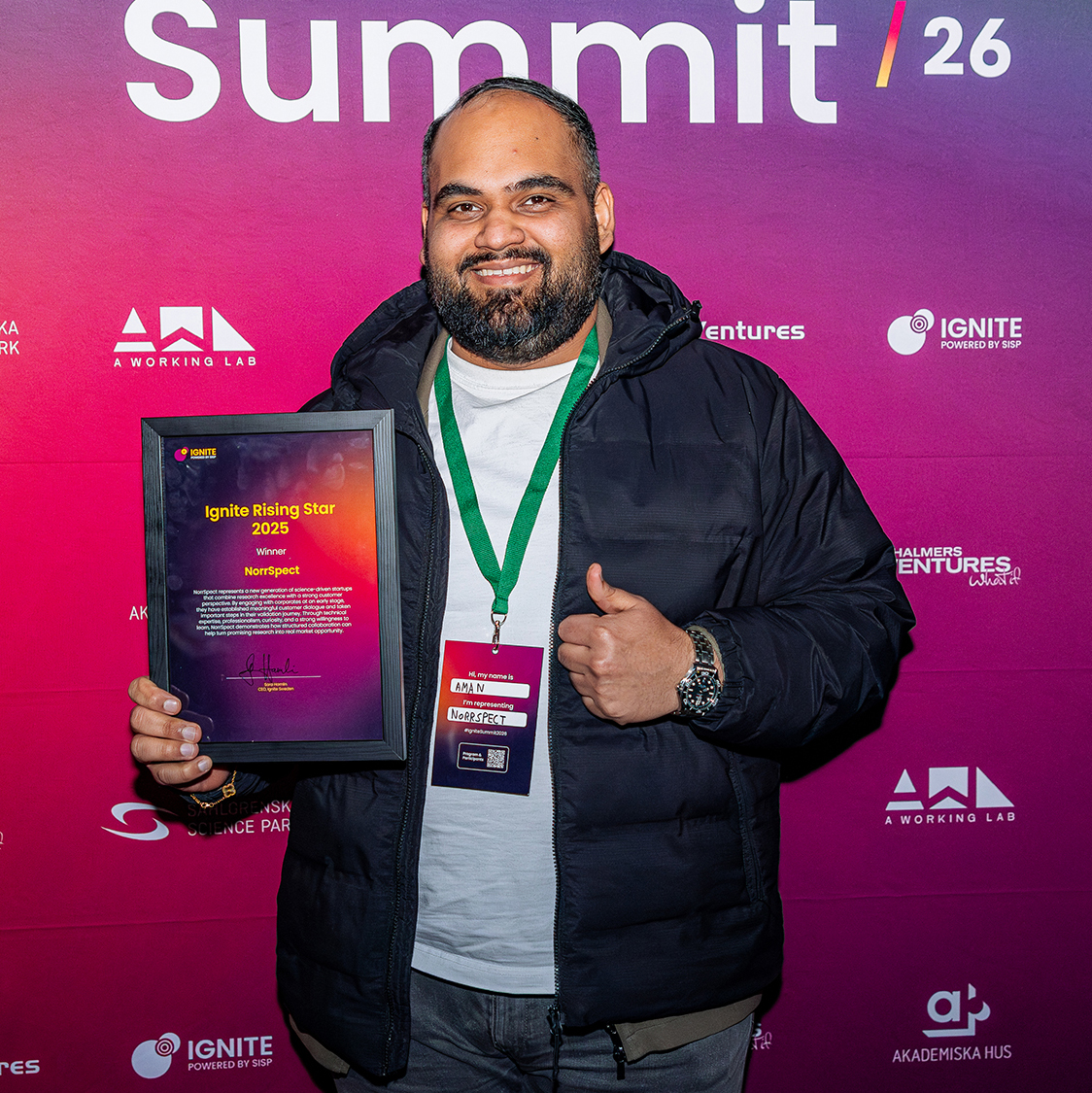
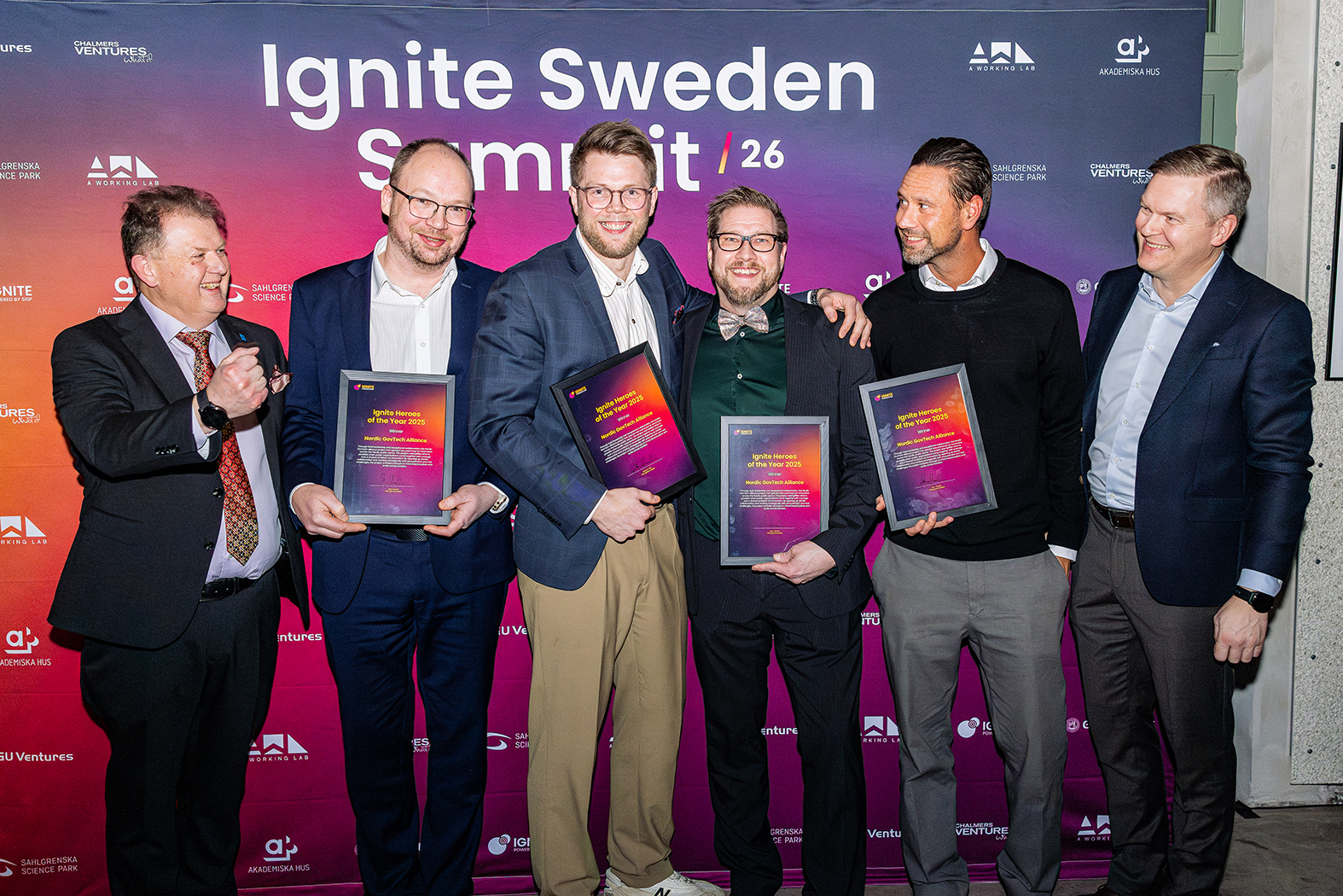
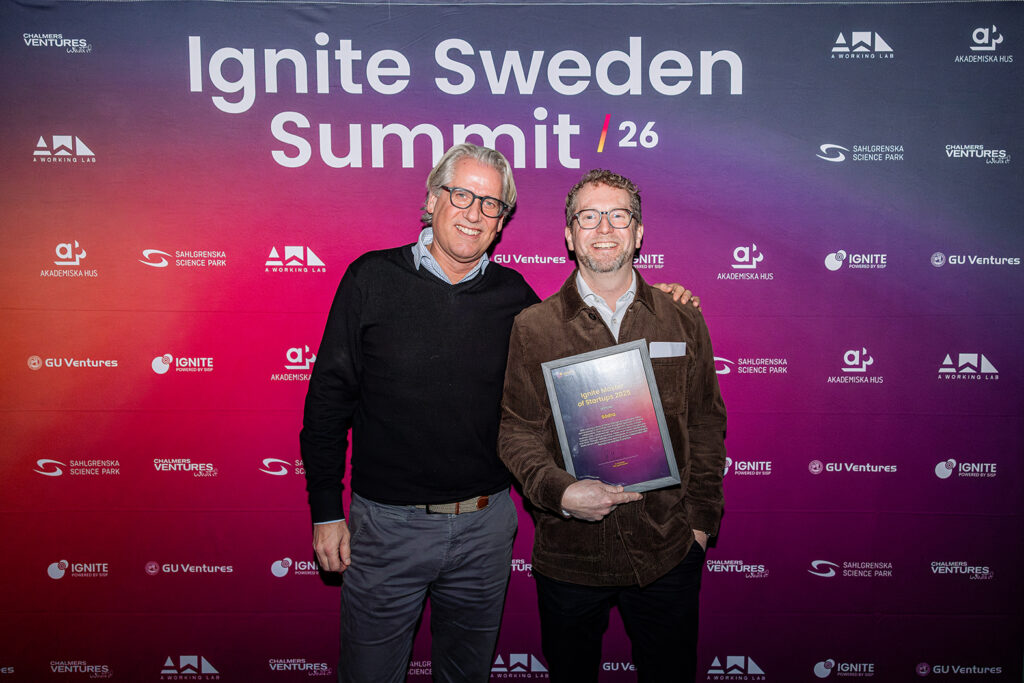
Ignite Rising Star: NorrSpect
Ignite Master of Startups: Södra
Ignite Master of Collaboration: Emulate
Ignite National Partner Hero: Borås INK
Ignite Global Partner Hero: David & Goliath Ventures
Ignite Heroes of the Year: Nordic GovTech Alliance
Tech Visits in Gothenburg
Ignite Sweden Summit 2026 also featured a series of tech visits, giving participants the opportunity to explore leading innovation environments in Gothenburg firsthand.
One visit took place at Chalmers University of Technology, where attendees gained insight into one of Europe’s most advanced quantum technology environments and explored how quantum computing is moving from research to real-world industrial applications.
Participants also visited Health Innovation City in Mölndal, learning about the district’s innovation approach and the roles of key actors such as Mölnlycke Health Care, AstraZeneca, BioVenture Hub, and GoCo Health Innovation City.
Another visit offered a broader perspective on Gothenburg’s life science and innovation ecosystem, with presentations from Sahlgrenska Science Park, Chalmers Ventures, and Akademiska Hus.
Side Events Around Energy and Defense Tech
After Ignite Sweden Summit 2026, two side events extended the conversation into energy and defense innovation.
The energy workshop addressed the need for a holistic and flexible energy system, highlighting the importance of bridging the gap between energy producers and users, developing long-term infrastructure in an uncertain context, and aligning ambitious transition goals with the everyday realities of the energy system. Discussions also explored e-mobility, emerging business models for charging, and the role of AI in optimizing future energy systems, balancing strong potential with the need for clarity, trust, and realistic use cases.
In the defense track, co-hosted with the incubator LEAD, FMV – the Swedish Defence Materiel Administration presented the project “From Innovation to Battlefield.” The session offered insights into how FMV collaborates with industry to develop, test, and procure innovative solutions that strengthen Sweden’s defense capabilities, with a particular focus on innovation processes and collaboration models.
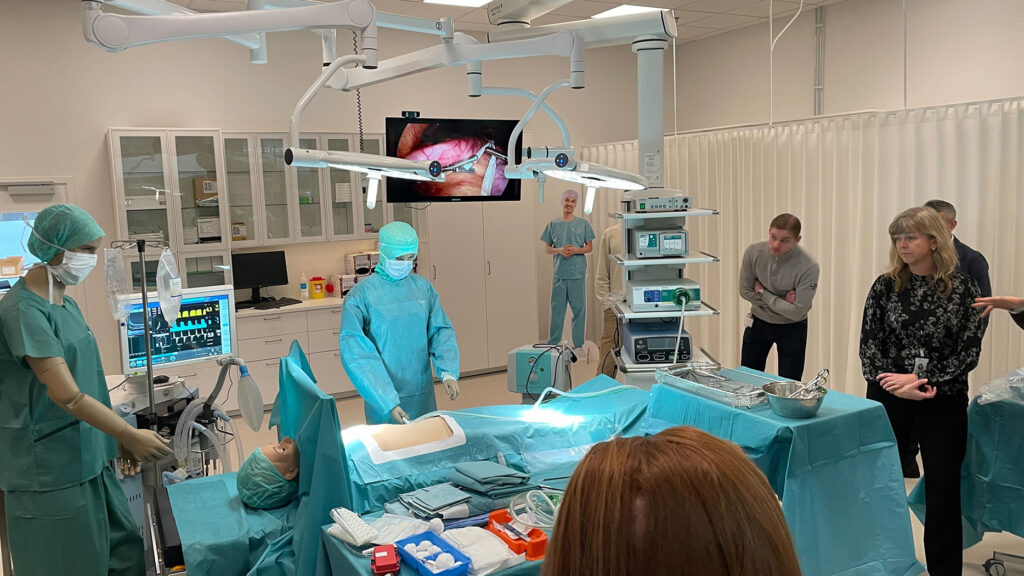
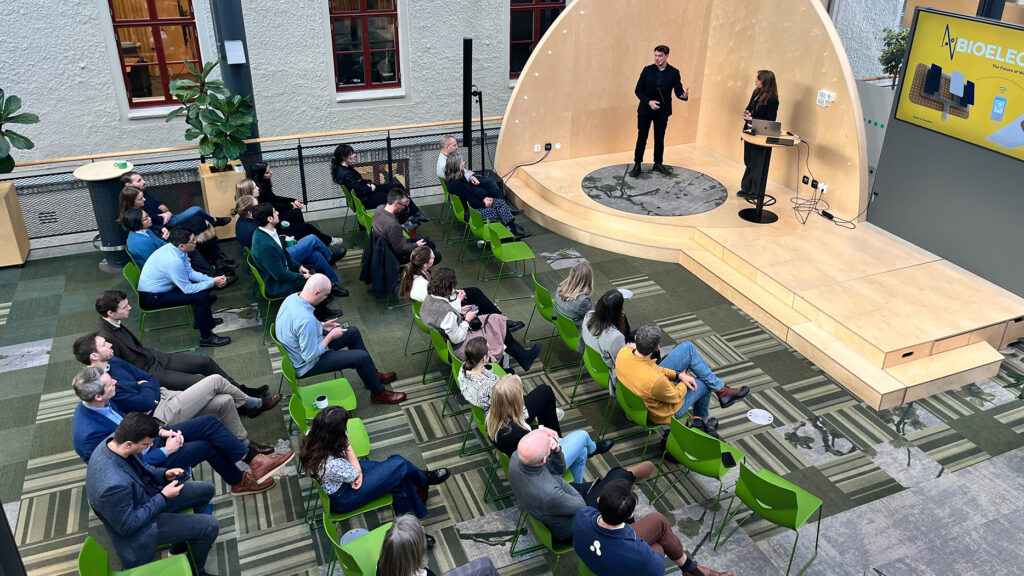
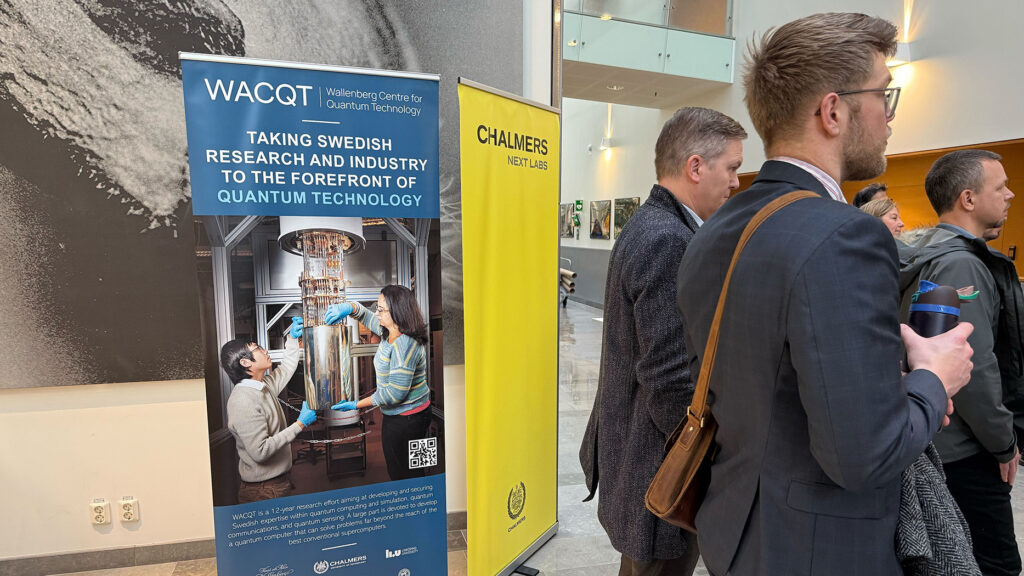
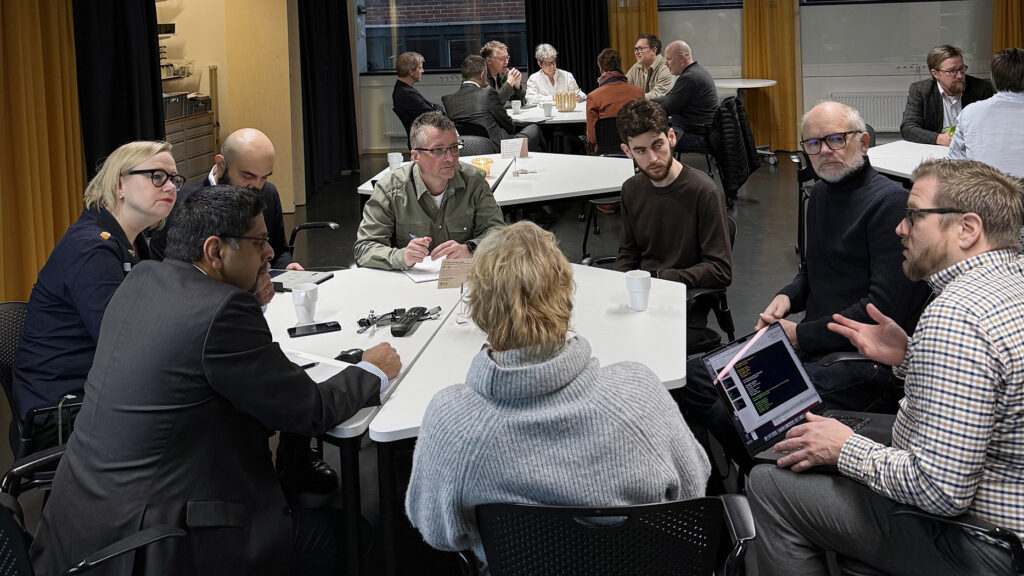
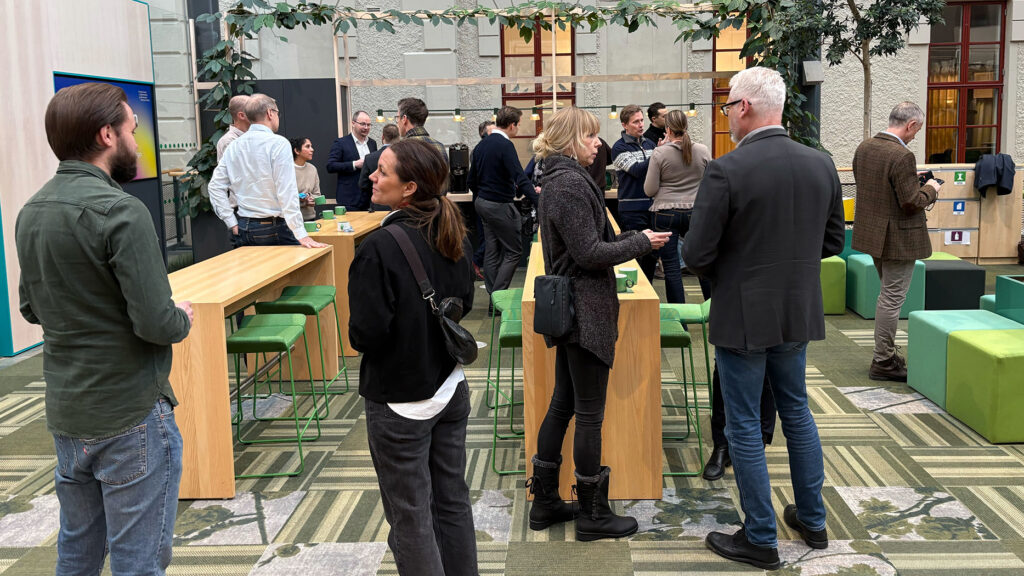
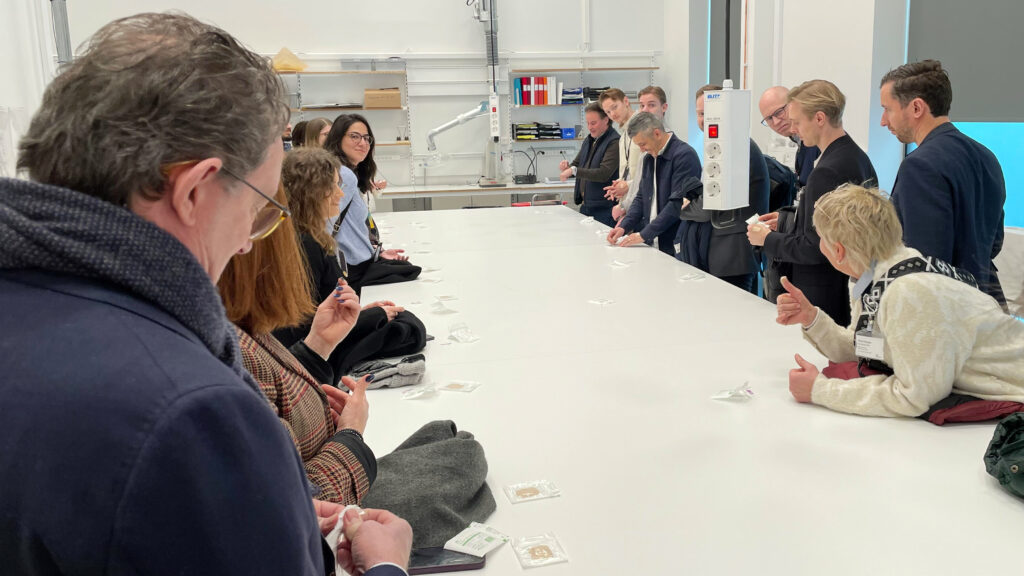
Photo credits: Natalie Greppi & Ignite Sweden
The move marks the beginning of a broader Nordic expansion, aimed at creating new business opportunities for startups and strengthening cross-border collaboration.
The establishment in Norway is enabled by funding from Innovation Norway, awarded to David & Goliath Ventures through a highly competitive national call. The call attracted applications from 65 organisations, of which 13 were selected to deliver new, high-impact innovation initiatives designed to strengthen the Norwegian startup ecosystem.
The expansion builds on the model Ignite Sweden has developed and refined since 2017. To date, this model has enabled more than 8,000 qualified, needs-driven interactions between startups and established organizations, resulting in over 800 concrete business collaborations for startups.
“Over many years, we have seen how a clear, quality-assured model can make a real difference for startups in Sweden. Norway is the first country where we are now taking this model further, in close collaboration with local incubators, with the aim of creating long-term value for startups, established organizations and the innovation ecosystem in both Sweden and Norway,” says Ignite CEO Sara Hamlin.
David & Goliath Ventures has been appointed to lead the establishment and operation of Ignite in Norway.
“We are incredibly grateful for the trust shown by Innovation Norway’s ecosystem initiative, where our project received the highest level of support and was the only one with both a national and Nordic focus. This enables us to support Norwegian startups in securing their first customers locally, regionally and internationally, while giving large companies and public organisations improved access to innovative startup solutions. This is something I have personally missed, both as an entrepreneur and during my ten years leading startup partnerships at Storebrand,” says Gustav Gorecki, CEO of David & Goliath Ventures.
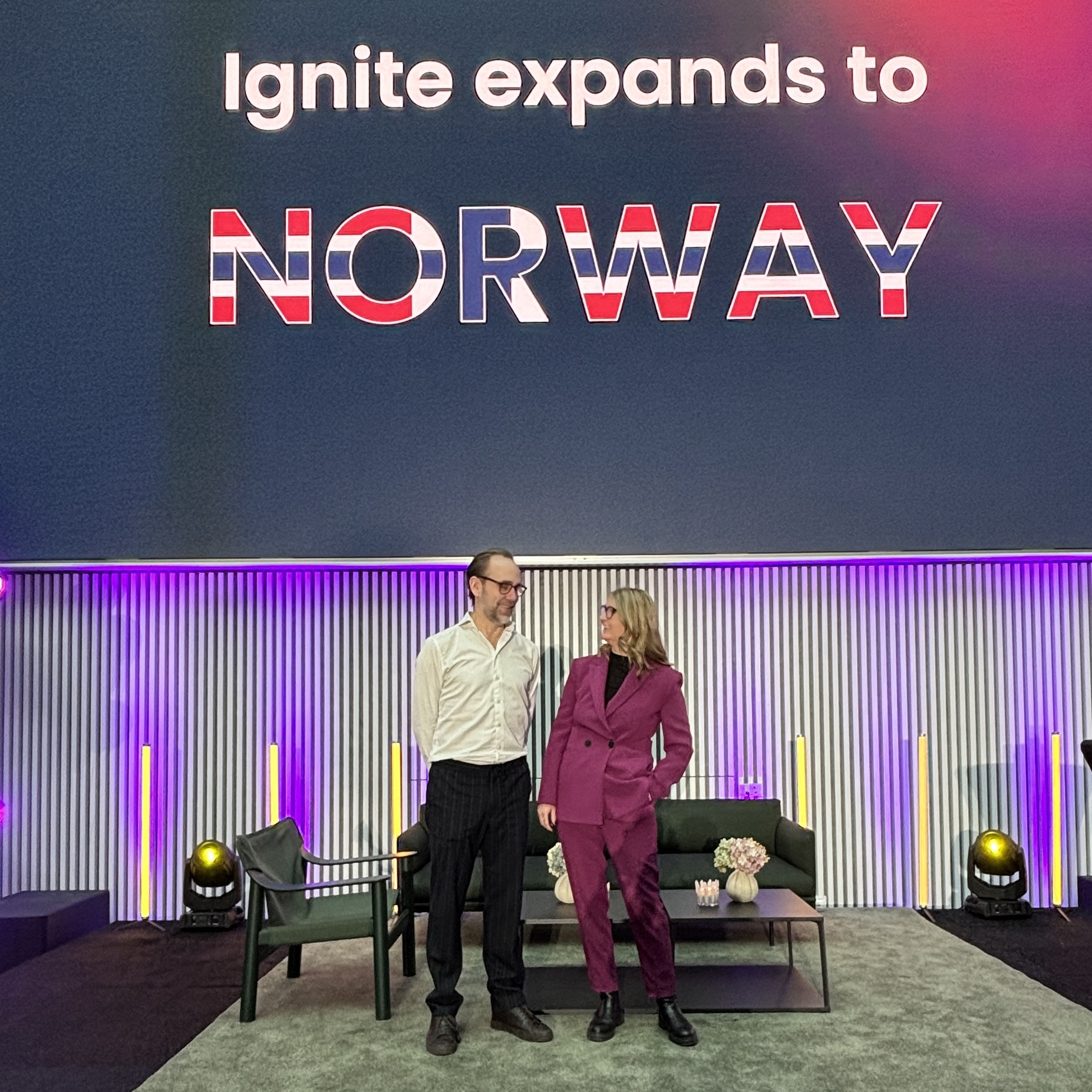
Sara Hamlin highlights David & Goliath Ventures’ deep understanding of the Norwegian innovation landscape and the needs of both startups and established organizations.
“This makes them a very strong partner to lead Ignite in Norway. Together, we have high ambitions to create real business opportunities for both Swedish and Norwegian startups,” she adds.
The next phase of the establishment involves building Ignite in Norway in close collaboration with actors across the Norwegian innovation ecosystem, while gradually beginning to match Norwegian startups with established organisations in both the private and public sectors.
“The goal of this establishment is to further develop and expand Ignite as a platform that brings together incubators, large companies, the public sector and startups in Norway, in close cooperation with corresponding organisations in Sweden. Our vision is for Ignite to include all Norwegian startups and, over time, startups from across the Nordics,” concludes Sara Hamlin.
About Ignite Sweden
Ignite Sweden is a non-profit organisation working to increase business collaborations between startups, industry and the public sector. Ignite Sweden collaborates with 43 incubators and science parks across Sweden and has engaged more than 1,900 startups and 450 established companies and public organisations, resulting in over 800 business-driven innovation collaborations. Ignite Sweden is a subsidiary of SISP – Swedish Incubators and Science Parks, and is funded by Vinnova.
About David & Goliath Ventures
David & Goliath Ventures is a startup studio based in Oslo, Norway, helping startups secure their first customers, raise capital and build strong teams. The company brings extensive experience from entrepreneurship, advisory roles and senior positions within established organisations, with a strong focus on customer-driven innovation and scalable collaborations.
For more information, please contact:
Sara Hamlin, VD Ignite Sweden
sara@ignitesweden.org
+46 (0)70 282 91 78
Gustav Gorecki, VD David & Goliath Ventures
gustav@davidgoliath.no
+47 98 044 15ludes Sara Hamlin.
The ‘Innovationspiloter för omställning’ project brought together actors from different sectors to test solutions that can scale beyond a single company.
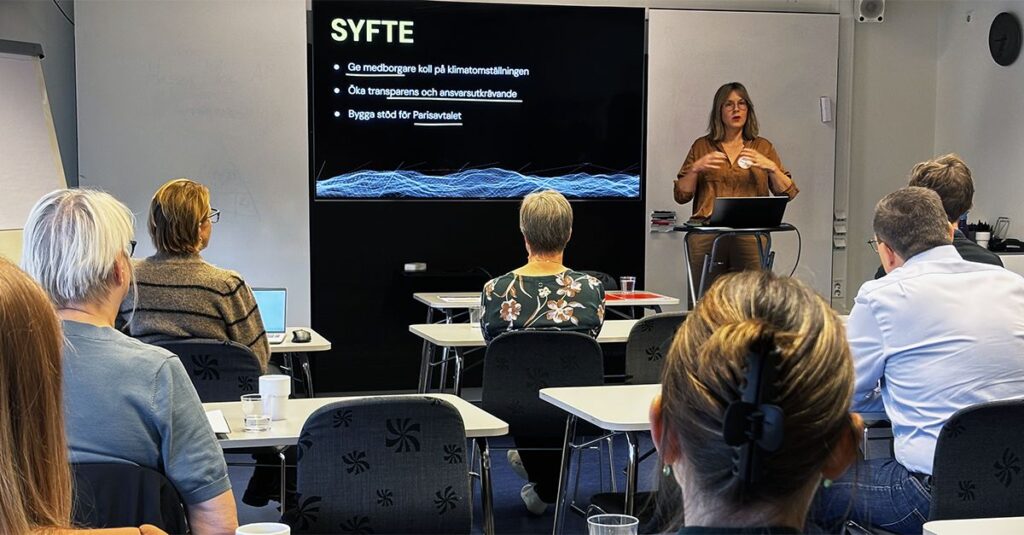
When challenges are too complex for a single actor to solve, collaboration becomes the key to progress. That’s the principle behind Innovationspiloter för omställning, a project uniting Umeå Municipality, Uminova Innovation, Skogstekniska klustret, and Ignite Sweden to accelerate the green transition through system innovation.
The project aims to explore how public organizations, industry, and startups can co-create solutions that make sustainability measurable, actionable, and scalable. The forestry sector in Västerbotten serves as the testbed.
Connecting Forestry Needs with Innovative Scaleups
The initiative focuses on the forestry sector, where increasing sustainability reporting requirements such as the CSRD create both challenges and opportunities. Many companies still handle data manually and lack coordinated digital systems. The goal is to make sustainability data more accurate, transparent, and actionable across the value chain — from machine manufacturers to forest owners.
Ignite Sweden played a central role in enabling this process. As part of the project group together with Umeå Municipality, Uminova Innovation, Cirkulära Västerbotten, and Skogstekniska klustret, Ignite contributed with needs analysis, scouting, and national matchmaking expertise.
“We formed a project group together where we collaborated on the process, structure, and execution. Ignite’s main role was scouting, matchmaking, and managing the collaboration with startups,” explains Marit Finch-Westin, Head of Public Sector Partnerships at Ignite Sweden.
Skogstekniska klustret, an industry cluster of forestry technology companies based in the Västerbotten region, has collaborated with Ignite Sweden since 2018, participating in seven matchmaking events over the years.
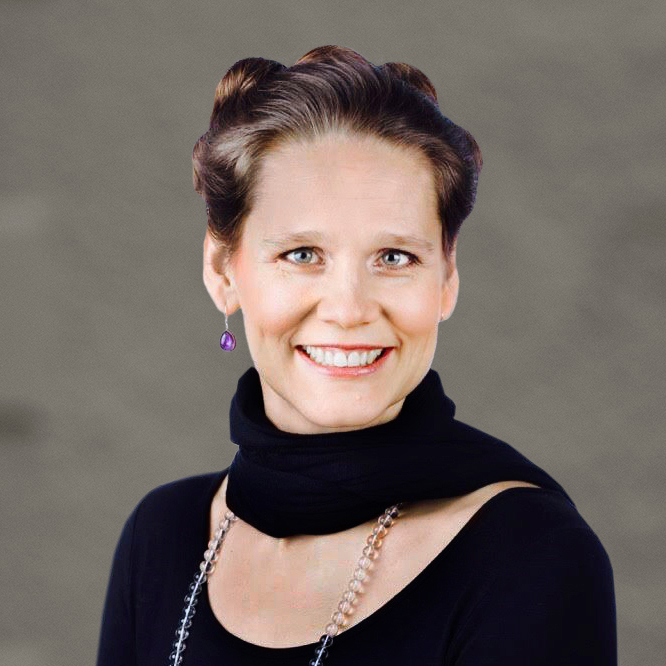
“This project takes our collaboration with the forestry sector a step further, working with a shared, complex problem and bringing together several needs owners and startups to co-develop solutions that can create real impact,” says Maria Olofsson, VP Ecosystems at Ignite Sweden.
Matchmaking & Next Steps Toward Collaborative Pilots
Earlier this year, the project brought together over a dozen innovative scaleups offering solutions for climate data, traceability, and ESG reporting, together with Skogstekniska klustret.
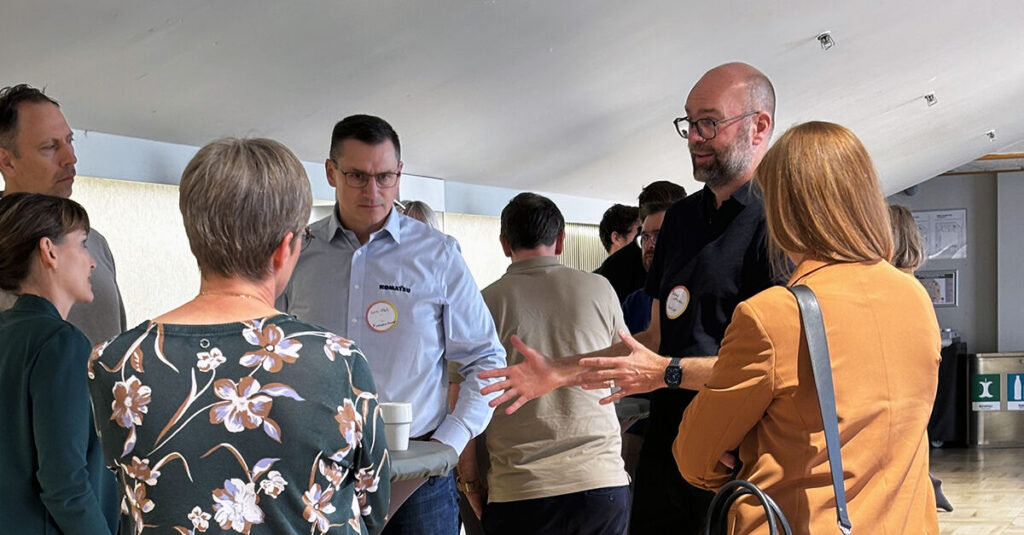
Six scaleups — Emission Twin, GoClimate, Icons Of, Measure & Change, ChainTraced, and SustainLab — were later invited to a matchmaking day in Umeå, meeting leading forest technology companies including Komatsu Forest, Cranab, Indexator, and Norra Skog to explore collaboration opportunities.
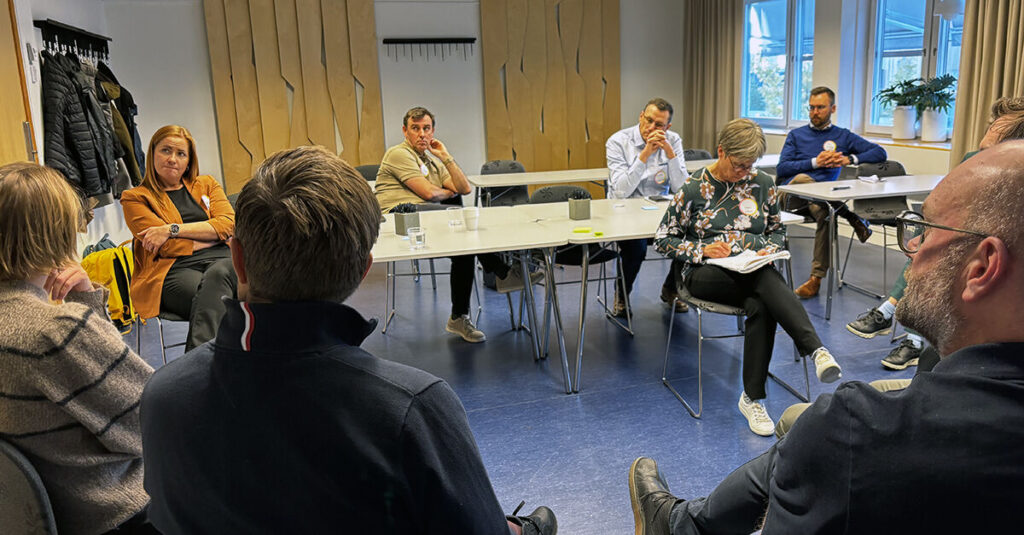
Following the October matchmaking, the participating startups were given the opportunity to submit pilot proposals — individually or in collaboration with one another. The forestry companies will review these proposals and select which pilots to move forward with in the coming months. Ignite Sweden will continue supporting the process by facilitating knowledge exchange and shared learning as the actors move toward testing.
System Innovation in Practice
The project demonstrates the power of system innovation, where actors from different sectors collaborate to test new solutions that can scale beyond a single company or industry.
Each partner played a crucial role in making this possible. Umeå Municipality acted as the initiator, driven by its ambition to reach the city’s climate goals through innovation. Uminova Innovation led the process locally and supported the participating startups throughout the journey, while Skogstekniska klustret contributed its industrial network and helped identify the sector’s core challenges. Ignite Sweden connected innovative startups and industry to identify potential pilot collaborations and enable concrete steps toward implementation.
This multi-actor setup — where a municipality, a regional incubator, an industry cluster, and a national platform collaborate — illustrates how system innovation can be organized in practice to address complex sustainability challenges.
“This case stands out because we’re working with a complex problem shared by several needs owners, while also encouraging startups to collaborate around a joint solution,” says Marit Finch-Westin.
This initiative also connects directly to Umeå Municipality’s Climate Roadmap, which brings together 66 companies committed to measurable climate action. The pilots developed through this project aim to provide concrete tools that help companies measure and reduce their climate impact — and to inspire more local actors to join the roadmap and adopt emerging solutions.
“We’re building connections and real collaborations around complex challenges that require system-level solutions. It’s inspiring to see how a regional incubator, a municipality, a national platform like Ignite Sweden, and startups and scaleups from across Sweden can work together to create impact,” concludes Maria Olofsson.
At the event, Ignite Sweden brought together 34 Swedish startups and top-tier corporates in a matchmaking focused on defense, e-mobility, and energy.
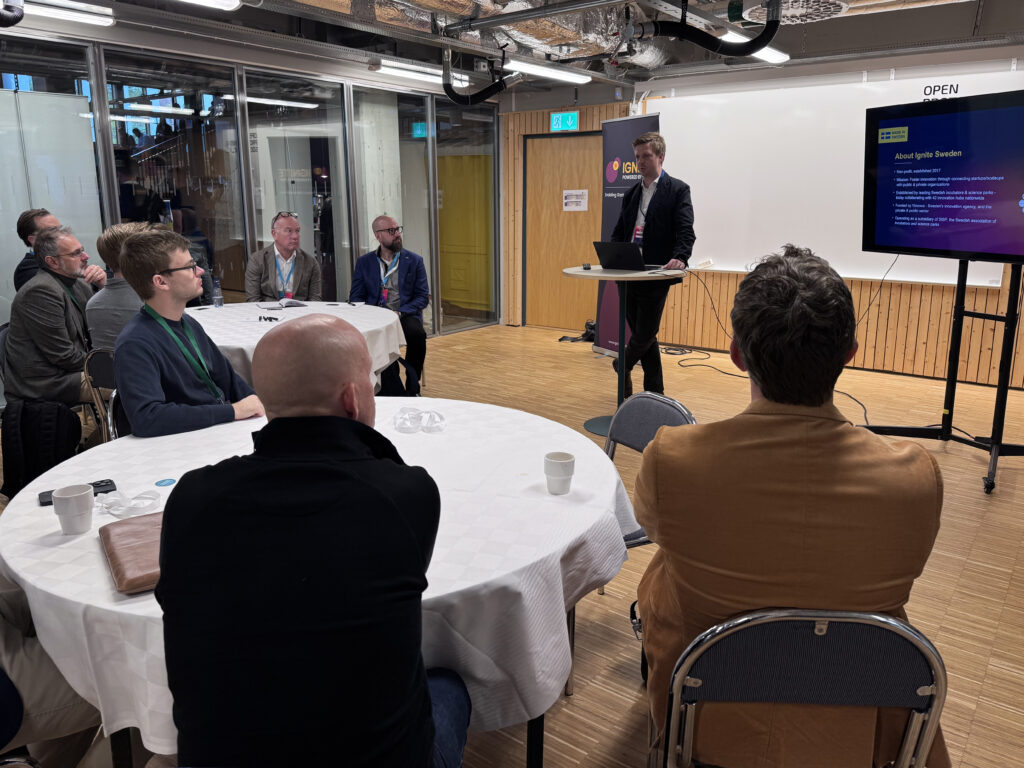
At Science Week & Sveriges Innovationsriksdag 2025, Ignite Sweden led the way in connecting some of Sweden’s most promising startups with leading corporations.
From curated meetings in a focused matchmaking session, to a workshop on measuring the broader value of innovation, and a panel on scaling from pilot to implementation, Ignite’s contributions helped shape a day filled with impactful conversations and new collaborations.
Curated Meetings That Spark Possibilities
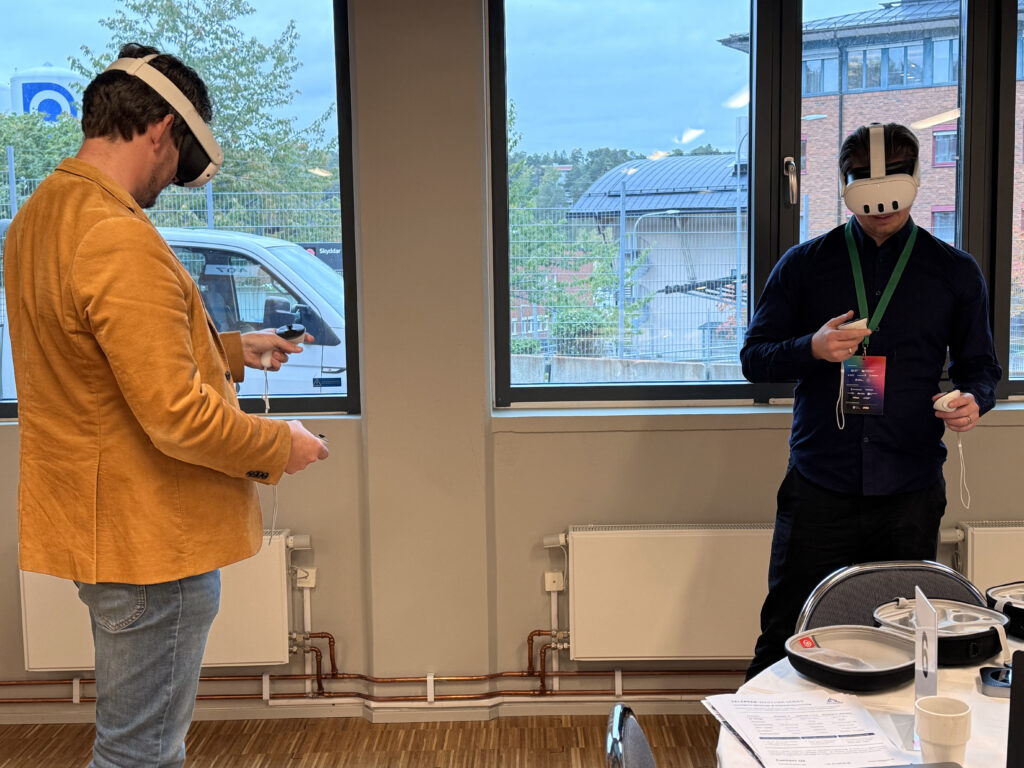
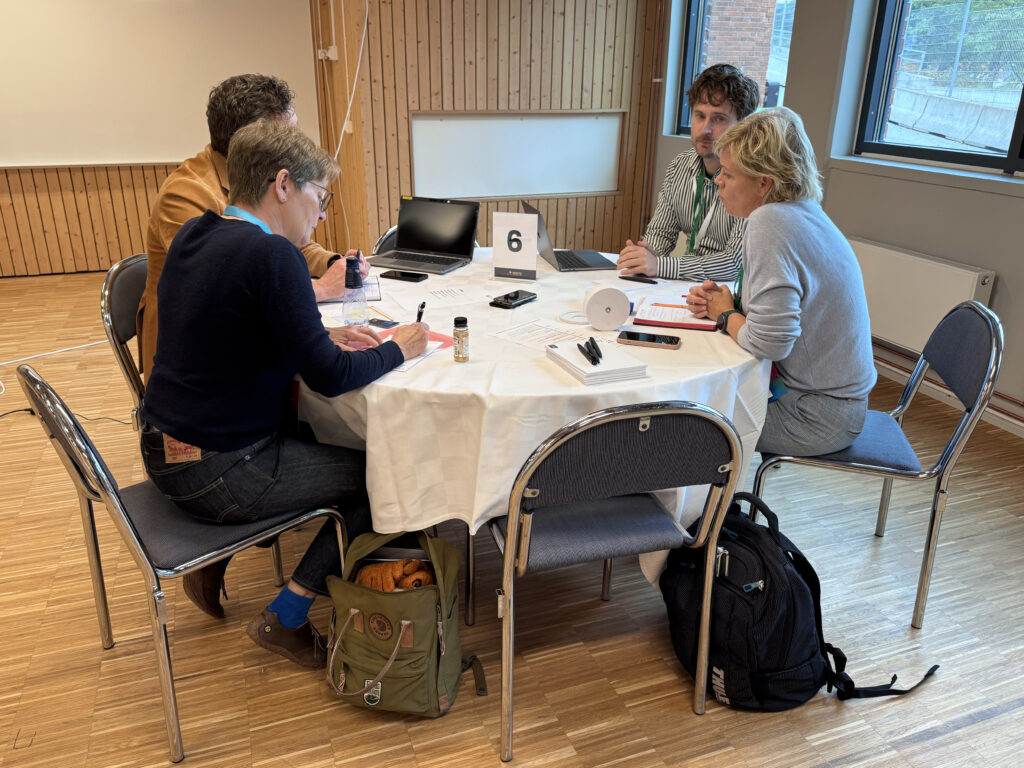
The matchmaking session connected 34 startups with some of Sweden’s top corporates, including Ericsson, BAE Systems Hägglunds, Bofors, and Saab, for 40 curated one-to-one meetings.
The session focused on solutions within defense, heavy-duty e-mobility, and energy flexibility.
“The goal of this event is to spark meaningful conversations between startups and corporates. The matchmaking process is highly qualitative – from mapping corporate needs, to scouting the right startups, to ensuring the meetings have true business potential,” said Ignite Sweden’s Fredrika Germundsson, Project Manager for the Matchday.
Pioneering Technologies from Emerging Startups
For startups, the event offered a unique opportunity to present their solutions to key industry players. Among them was the Umeå-based company Algoryx Simulation, which provides interactive digital physics to the industry.
“I’ve had two really good meetings today with very interesting companies where I think we can make a huge difference for both of them,” said Urban Wikman, Business Director at Algoryx Simulation. “Ignite is really good at helping us find the right people and set up meetings that matter. Ignite helps not just us as a small company, but also larger businesses in Sweden discover other companies and find cooperation and solutions.”
First-time participant Silicon Witchery, which develops 5G-connected IoT modules and provides the infrastructure to deliver sensor data where it’s needed, also saw strong value in the format.
“For hardware companies like ours, it’s great to meet potential customers face-to-face. You just can’t show physical products over a screen or email,” said Raj Nakarja, CEO at Silicon Witchery. “We had two meetings. All of them ended with: ‘Let’s talk again soon.’ That was really nice.”
“This format of being pre-selected for matchmaking helps us get to the nitty-gritty details super fast. It’s a really good platform to figure out what each company wants and then go to the next step,” added his colleague Rohit Nareshkumar.
Uniquesec was another of the participating startups. The company develops advanced radar simulators for the automotive industry, where they already serve customers, and are now exploring opportunities in the defense sector.
“We’re just trying to make connections and expand. This matchmaking was a great opportunity to meet big corporations that can help us on that journey. I really like the event, and I think the format is quite good, actually. Twenty minutes is compact, but just enough time to explain who we are and what we’re looking for,” said Nikolaos Xenidis from Uniquesec.
Exploring Startup Potential from the Corporate Side
The matchmaking wasn’t only valuable for startups — it also provided corporate participants with the chance to explore new technologies and connect with innovators shaping the future of their industries.
“It’s my first time meeting startups through Ignite and it’s been an interesting experience so far. We’re interested in collaborating with startups because there is a huge demand for defense purposes, especially given what’s happening in the world right now,” said Claes Carpenfelt, Senior Strategist at BAE Systems Bofors.
Representatives from the Singapore Economic Development Board (EDB) also joined the matchmaking to meet startups interested in expanding to Asia.
“EDB Singapore supports businesses in gaining a solid footing in Singapore. For a Swedish startup, Singapore is a gateway to Asia, and it offers a very good environment for core collaboration and innovation work. We have a critical mass of foreign and local companies all nestled within a very small island state. My role here is really to meet with promising Swedish companies to see how they can expand into Asia from Singapore,” said Andy Liu, Regional Director for the Nordics at EDB Singapore.
Measuring the True Value of Innovation
The day also featured a forward-thinking workshop co-hosted by Ignite Sweden and Sveriges Kommuner och Regioner (SKR), which explored how both public and private actors can measure the broader value of innovation — from environmental and social impact to long-term efficiency gains.
The session brought together stakeholders from municipalities, corporates, startups, incubators, and science parks to exchange experiences and methods for measuring innovation beyond traditional ROI.
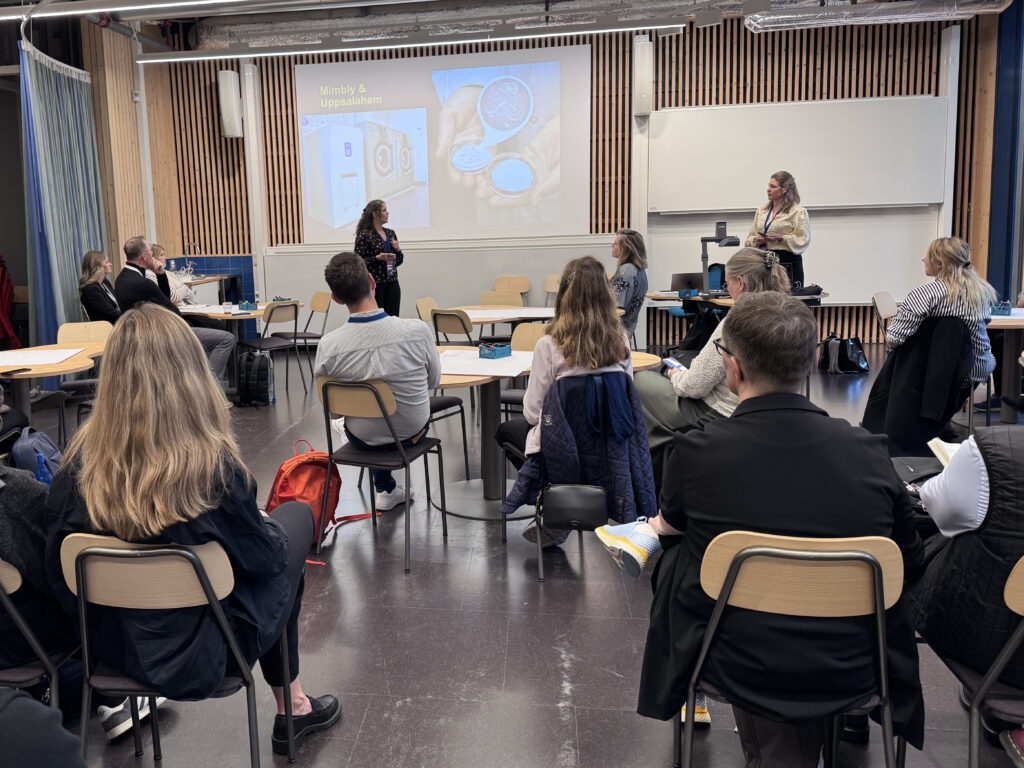
Real-life examples showcased during the workshop included Klimatkollen, the Innovationspiloten för omställning project, and the collaboration between Mimbly and Uppsalahem.
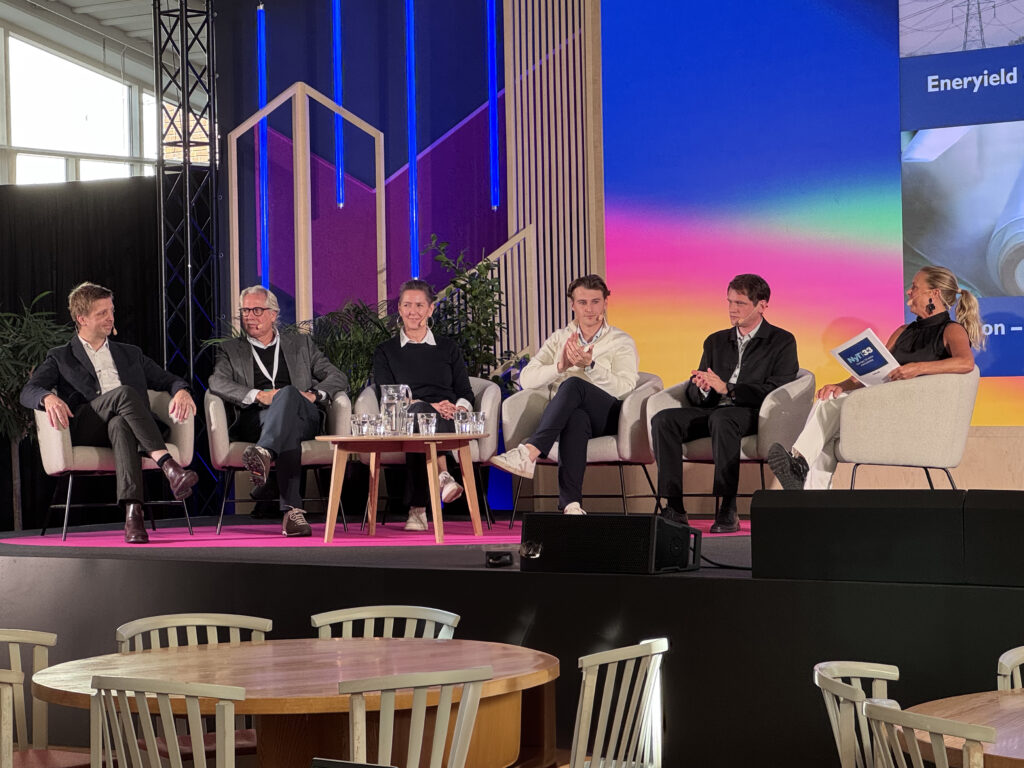
Ignite Sweden’s VP Operations Linus Arnold also joined the panel discussion “From Startup to Scaleup”, co-organized with Ny Teknik’s 33-listan, exploring how startups can move from early-stage pilots to scalable collaborations with industry.
“Scaling innovation isn’t just about having the right product — it’s about internal prioritization, alignment, and having a clear process and strategy in place,” said Linus. “Sometimes we at Ignite match a startup with a solution to a problem a corporate didn’t even know they had. That’s where real opportunities for collaboration start.”
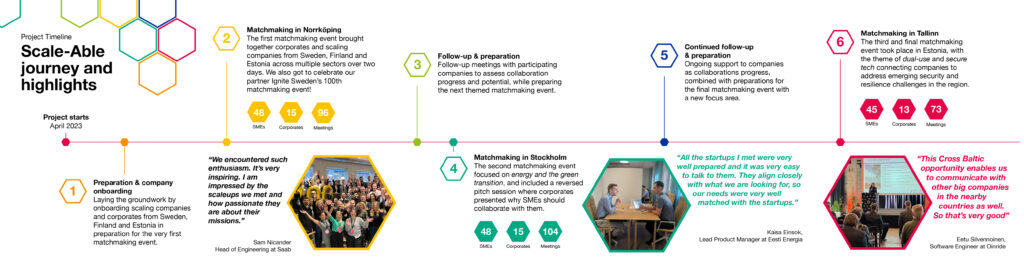
During the past 2.5 years, the project facilitated connections between scaling companies and corporates from Sweden, Estonia, and Finland, converting dialogue into tangible collaborations.
Startups are often told to “think global from day one.” But scaling internationally is easier said than done. That’s where the ScaleAble project, an initiative run by Ignite Sweden, Norrköping Science Park, and Tehnopol, made a difference.
Over the course of 2.5 years, ScaleAble provided scaling companies and corporates with something both sides urgently need: direct access to each other, in the form of carefully curated one-to-one meetings across three countries.
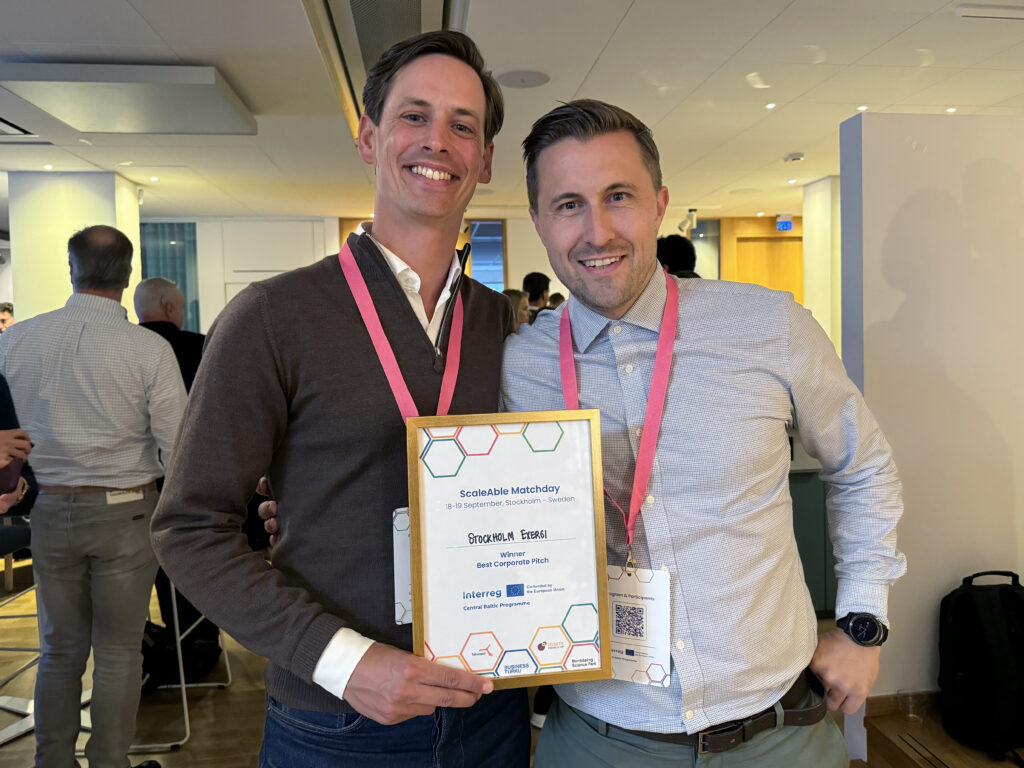
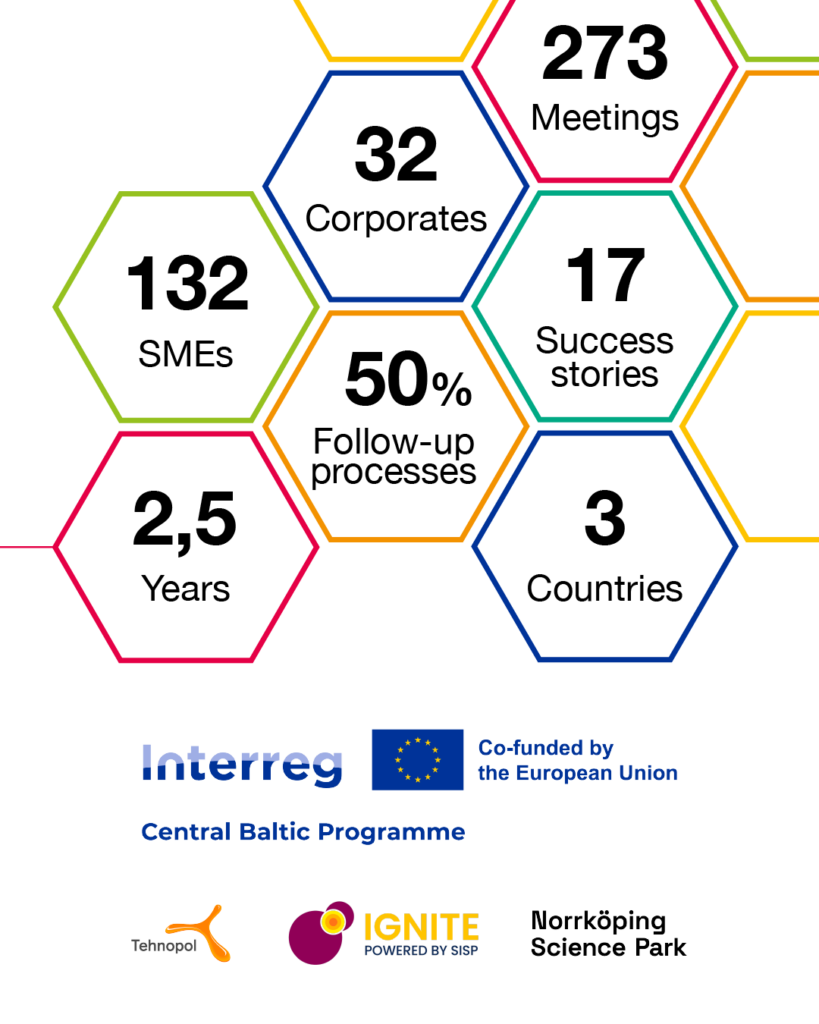
And it worked. During three matchmaking events held in Sweden and Estonia, 132 startups and scaleups sat down with 32 corporates in 273 tailored matchmaking meetings. Remarkably, 50% of these meetings led to follow-up processes, and 17 concrete success stories have already emerged.
Another indication of ScaleAble’s success was the caliber of corporates that joined the journey. The project brought together leading companies from across the region, including Saab, Siemens Energy and Stena Metall from Sweden; SEB, Telia and G4S from Estonia; and Royal Caribbean Group, Valmet Automotive and Fortum from Finland.
Turning Conversations into Collaborations
The magic of ScaleAble is its laser focus on quality conversations. Each meeting was designed to match corporate needs with solutions offered by scaling companies, whether in energy, securetech, dual-use, or digital innovation.
For corporates, it was a chance to source innovation directly from agile teams solving tomorrow’s problems.
“You can find new ideas, new techniques, that you, in your own space, can’t see. And sometimes you need to go outside of that box to find new solutions that you might not know about or haven’t even thought of,” said Fredrik Tärneberg, Investment Manager at Södra.
For many startups and scaleups, ScaleAble offered first-time access to leaders at multinational companies — connections that might have taken months or even years to establish independently. This unique exposure went far beyond networking, giving startups a fast track into industries often seen as closed or hard to reach.
“It’s great to have the networking opportunity to actually meet the people in these corporates in person. But most of all, it’s the feedback and understanding of what challenges they see in the world today,” noted Elin Sandahl, Co-founder and Business Developer at Swedish startup Norgald.
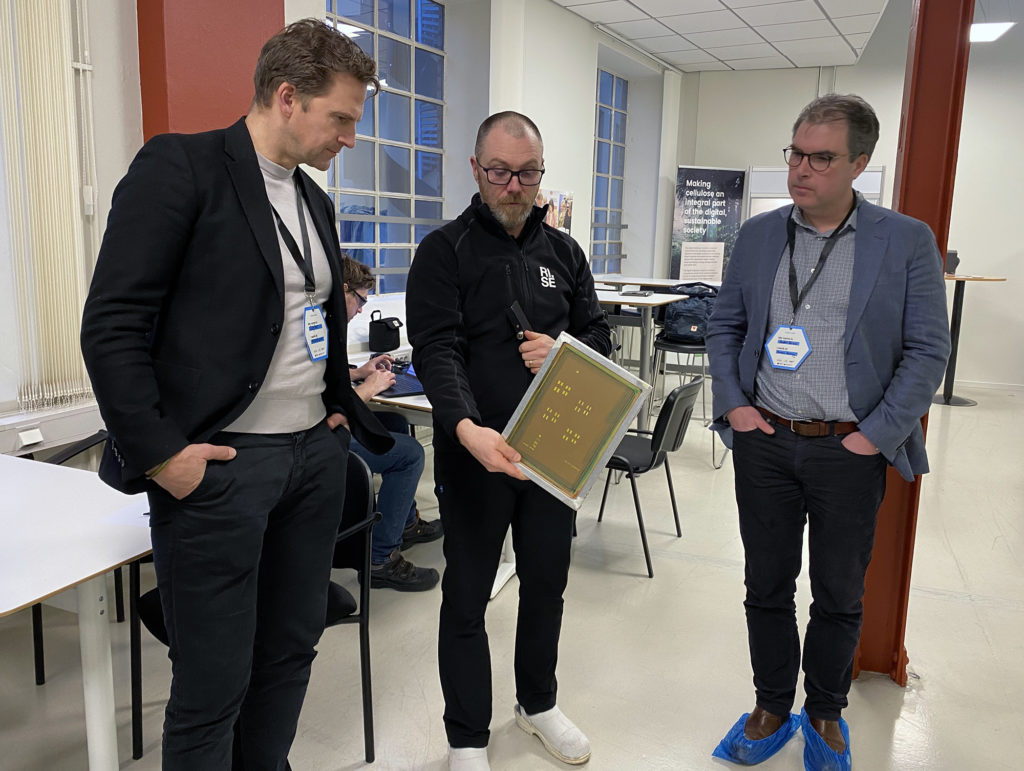
But ScaleAble’s impact went beyond the ‘matchroom’. Site visits, informal dinners, and cultural exchanges built trust and familiarity between ecosystems that don’t always intersect.
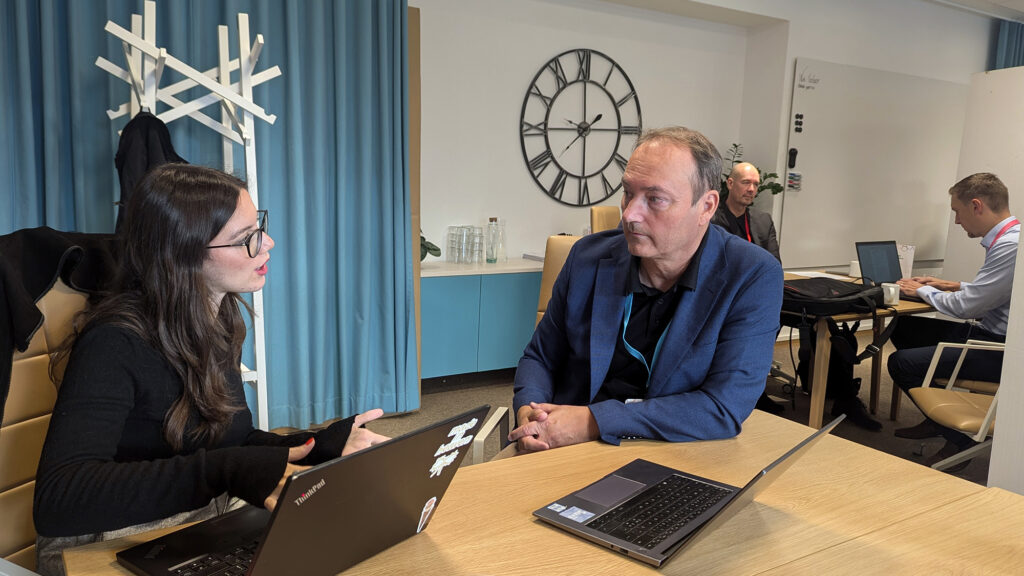
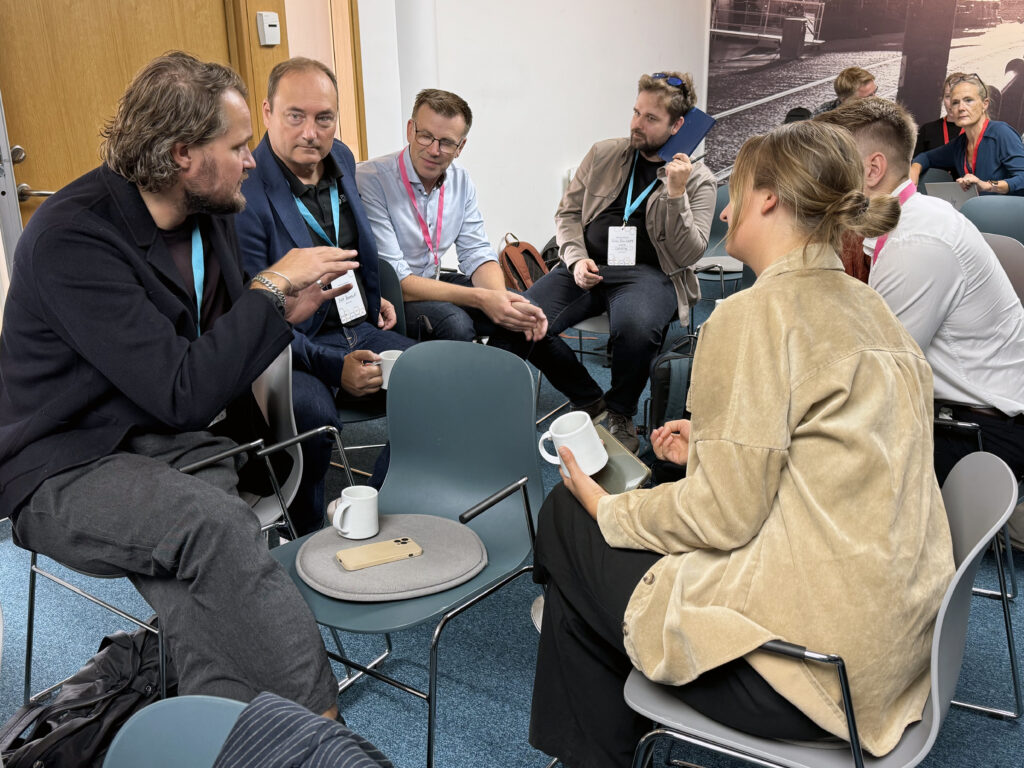
“There are several important aspects of meeting in person, not only the physical meeting itself, where they can get a feel for each other and really discuss and focus on the important points. But also another important aspect of these physical events is the opportunity to meet other corporates and startups and exchange ideas with them,” highlighted Arwin Zendehrokh, Project Manager at Ignite Sweden.
Enefit’s Perspective: Turning Matchmaking Into Real Collaboration
Estonian energy group Enefit participated in two of the matchmaking events and is now moving forward with three collaborations: two proof-of-concepts already underway and one in the planning stage.
For Enefit, the project offered a chance to tackle some very concrete challenges. “One of our aims is to address data quality challenges and establish proper validation to ensure data consistency and reliability,” said Kenneth Hütt, Technology Manager at Enefit.
By teaming up with startups, Enefit has been able to bring in specialized product knowledge in areas such as data validation, automation, and system integration — expertise that helps accelerate development and co-create tailored approaches.
So far, the company and its partners have aligned on proof of value at the architecture level, set up applications, completed initial trainings, and defined scope and requirements.
While it’s still early days with no measurable impact yet, Hütt emphasizes the importance of committing fully to a proof of value process and including all relevant parties from the start. “A structured, well-prepared technical due diligence process is essential, as it enables both sides to demonstrate readiness,” he explained.
Crucially, ScaleAble made this possible. “It has enabled us to more quickly evaluate potential service providers, and to co-develop solutions together with startups based on our use cases,” noted Hütt. Without the project, such international scouting and rapid validation would have taken significantly longer
Strengthening Cross-Border Collaboration in the Central Baltic Region
The final results of ScaleAble show a clear case: structured matchmaking works. It cuts through noise, accelerates business development, and builds long-term trust across borders. Because when scaling companies and corporates sit down at the same table, innovation doesn’t just happen: it scales.
Beyond the impressive numbers, ScaleAble also helped deepen the ties between innovation ecosystems in Sweden, Finland, and Estonia. By building trust between startups, scaleups, corporates and innovation actors across the region, the project laid the groundwork for continued collaboration in the Central Baltic area, a key priority of the EU programme that made ScaleAble possible.
Read more about each ScaleAble Matchday:
First event highlights
Second event highlights
Third event highlights
As part of the Collaboration Mastery Program, startups can now access one-on-one expert support throughout their commercialization journey.
“During the past fall and winter, I spoke with over 100 startups that had engaged in matches through Ignite. A recurring insight from these conversations was a clear preference for tailored, hands-on support when working toward a commercial deal. Startups highlighted a need for guidance on specific challenges, such as pricing strategies and deal structuring, rather than one-size-fits-all content,” explains Yasmine Morrison, Startup Partner Manager at Ignite Sweden.
Based on these insights, Ignite is evolving its approach by introducing one-on-one coaching to provide more individualized support throughout the startup commercialization journey.
The coaching sessions aim to help startups address concrete challenges and opportunities as they prepare for, or follow up on, matchmaking meetings and collaborations with potential customers. This new format will complement the existing offer, which continues to include selected workshops designed to support startups participating in the matchmaking process.
To book a coaching session, please contact info@ignitesweden.org.
Meet the Coaches
These expert coaches bring extensive entrepreneurial and industry experience and will support startups with tailored guidance throughout their commercialization journey:
Carin Lagerstedt
Business Coach, Ignite Sweden
CMO, RemotiveLabs
Background
With extensive experience in branding and B2B marketing within technical and industrial sectors, Carin helps companies clarify messages and stand out in niche markets. Her background includes building strong thought leadership positioning and enhancing collaborations with customers and tech partners through storytelling.
Business Skills & Areas of Expertise
Turning complexity into clarity, pragmatic startup approach to marketing and communications, sales-enabling content – from first impression to follow-up.
What Startups Can Expect from the 1:1 Coaching Sessions
– As a current fractional CMO, I’m used to quickly assessing different contexts and identifying how marketing, communication, and branding can best support current business goals.
– Outside-in review of brand, content, and messaging
– Hands-on support in building trust with efficient content that supports the sales journey
– Advice on making your company relevant in the eyes of customers, media, and investors
Christian Malmsten
Business Coach, Ignite Sweden
Background
30+ years of experience in complex B2B sales and over 20 years of coaching early-stage, university-linked startups to their first customers and partnerships.
Business Skills & Areas of Expertise
Complex B2B sales, commercial partnerships, deeptech and life science markets, medtech and design-driven ventures.
What Startups Can Expect from the 1:1 Coaching Session
– Tools that increase your chances of securing commercial partnerships
– Concrete feedback to improve your sales process
– Clear and honest input
Håkan Axelsson
Key Partner Manager, Ignite Sweden
Background
5 years’ experience as a researcher in environmental science. 15’ years experience as a business executive and business developer in the energy sector. 25 years’ experience in the startup ecosystem as a founder, business coach, VC investor and business angel with focus on sustaintech, deeptech and femtech.
Business Skills & Areas of Expertise
Customer validation, product–market fit, go-to-market strategy, sales, communication, soft & VC funding, IP strategy, stakeholder and board management.
What Startups Can Expect from the 1:1 Coaching Session
Honest feedback, an outside perspective, experience-based benchmarks, and encouragement.

Lotte Kylberg
Strategic Pricing Expert, Aprice
Background
With 25+ years of experience in strategy and pricing, Lotte has worked as a management consultant, co-founded and led a retail company, and held senior roles in commercial development. She brings deep expertise in pricing and packaging, supporting startups and scaleups across industries.
Business Skills & Areas of Expertise
Business strategy, pricing strategy & packaging; sales and marketing strategy; analysis, modeling, and commercial development.
What Startups Can Expect from the 1:1 Coaching Session
– New perspectives on pricing and its role in business success
– Practical advice tailored to your offering and stage
– Clear pricing model and packaging structure
– Strategic alignment of pricing with market position and goals
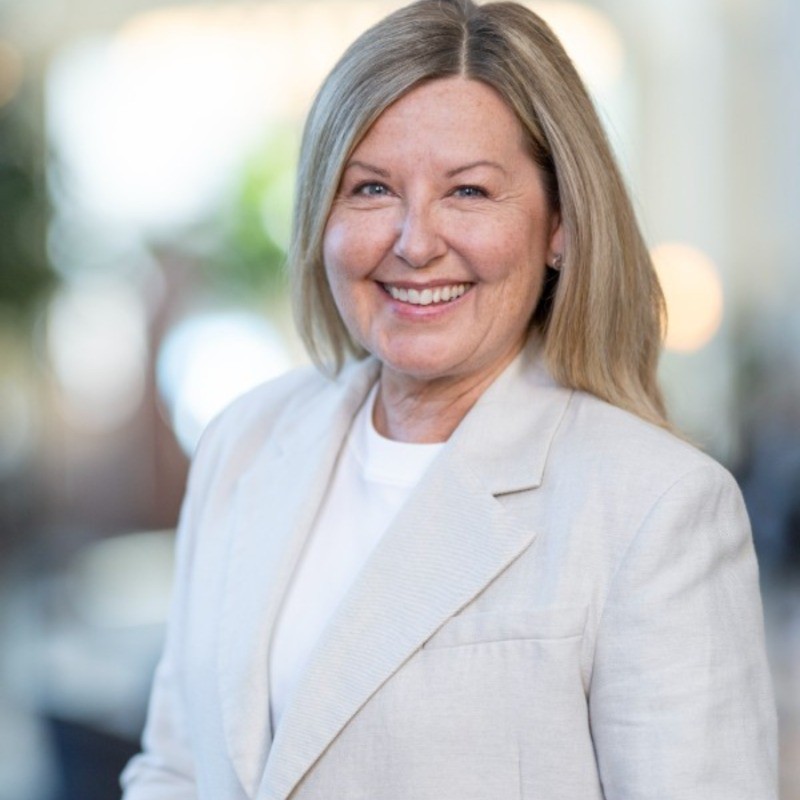
Marit Finch-Westin
Head of Public Sector Partnerships, Ignite Sweden
Background
Senior consultant with broad experience across public and private sectors. Former Director of Economic Development in a major Swedish municipality. Held leadership roles in international companies across Europe. Focused on innovation and public-private collaboration since 2011.
Business Skills & Areas of Expertise
Strategic development, scaling and growth strategies, public–private collaboration, innovation and sustainability in the public sector.
What Startups Can Expect from the 1:1 Coaching Session
Honest feedback, an outside perspective, experience-based benchmarks, and encouragement.
Sandor Albrecht
Business Coach
Background
He worked for 25+ years in several leadership positions in innovation, research and product development in the ICT industry, and was a strategic advisor and coach at Ignite and AI Sweden. He combines deep expertise in technology strategy and product portfolio management with operational experience in science-based innovation transfer and B2B ecosystem management.
Business Skills & Areas of Expertise
Deeptech technology transfer; product and system architecture design; AI, ICT, life and materials science; B2B sales and strategic partnership; fundraising and investor dialogue; ecosystem play; technology and business strategy, mindset and culture.
What Startups Can Expect from the 1:1 Coaching Session
– Kind and honest dialogue
– Focus on the core of the innovation and the value creation
– Pragmatic and actionable advice
– Shaping the narrative to be more successful with investors and customers
– Help to build culture and mindset

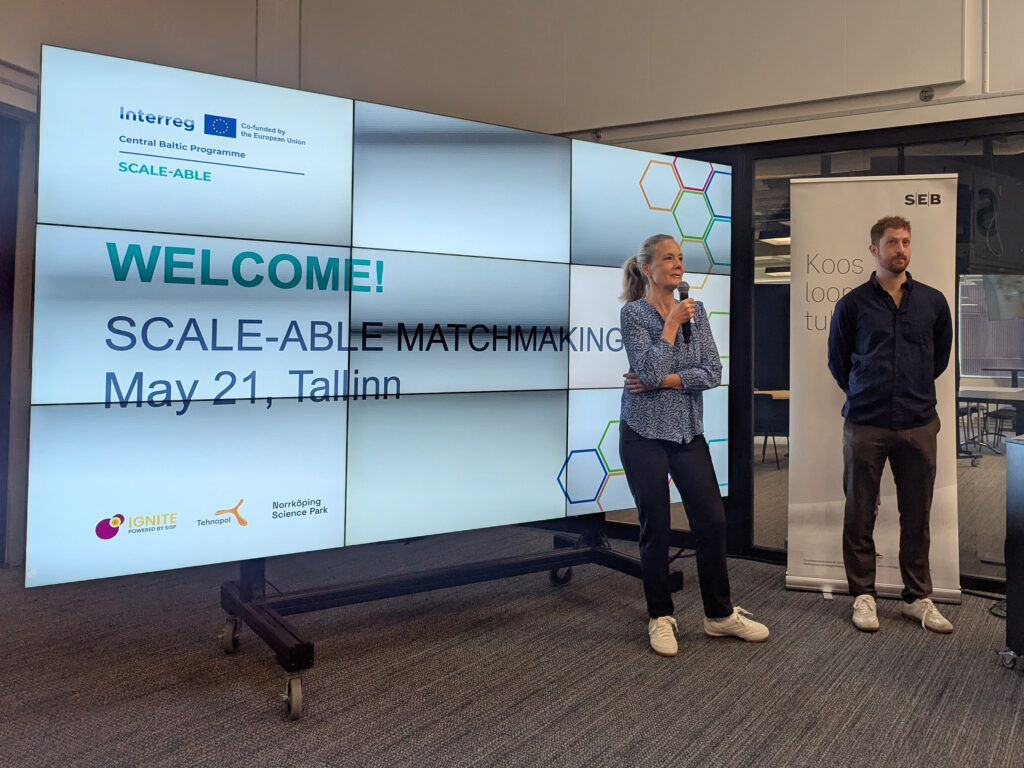
The ScaleAble project wrapped up its final matchmaking event in Tallinn, where 13 corporates and 45 scaling companies from Estonia, Finland and Sweden explored dual-use and securetech innovation.
Led by Ignite Sweden, Norrköping Science Park, and Tehnopol, the Central Baltic Interreg Programme project ScaleAble supports scaling companies and corporates in forging valuable cross-border collaborations.
The goal of the final event was to explore partnerships in dual-use and securetech, two rapidly growing sectors that are crucial for the region’s future security and resilience.
“What makes this specific event outstanding is the theme of the event, which is built around dual-use and security technology,” says Martin Goroško, Business Service Manager at Tehnopol. “This theme is a trending topic in this region right now. We see a lot of investments made in these areas. There are many up-and-coming companies, and corporations are also seeking solutions in these areas because they want to enhance their resilience.”
Insightful Presentations and Keynote Speeches
The first day of the event set the stage for meaningful discussions on dual-use and securetech.
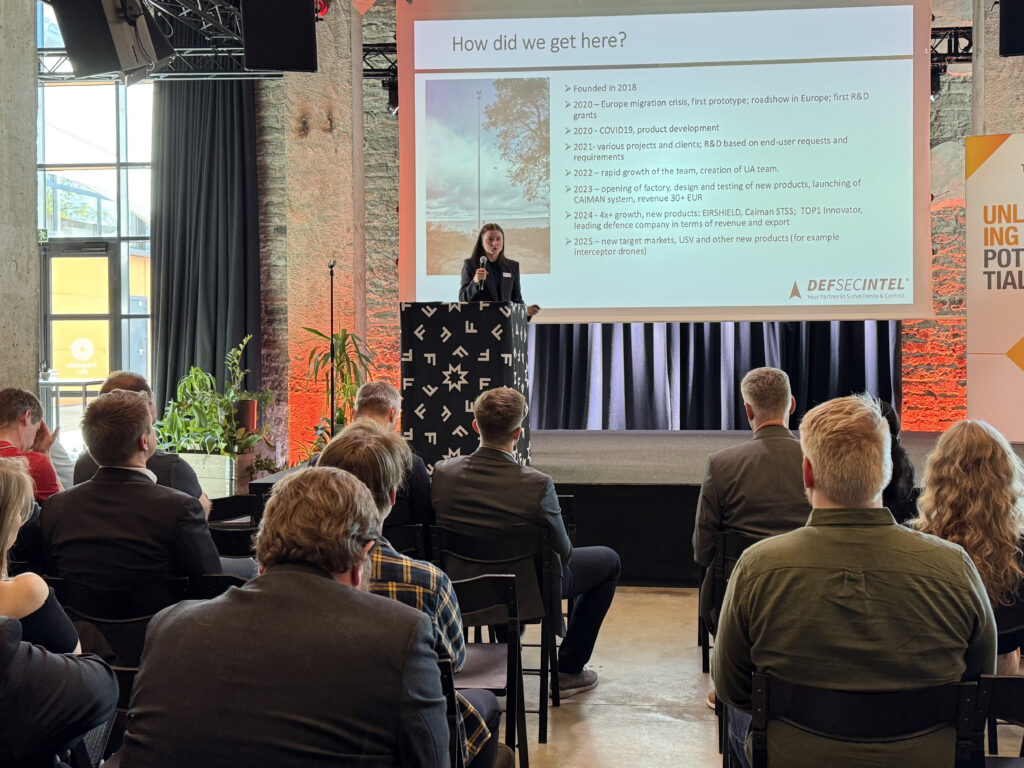
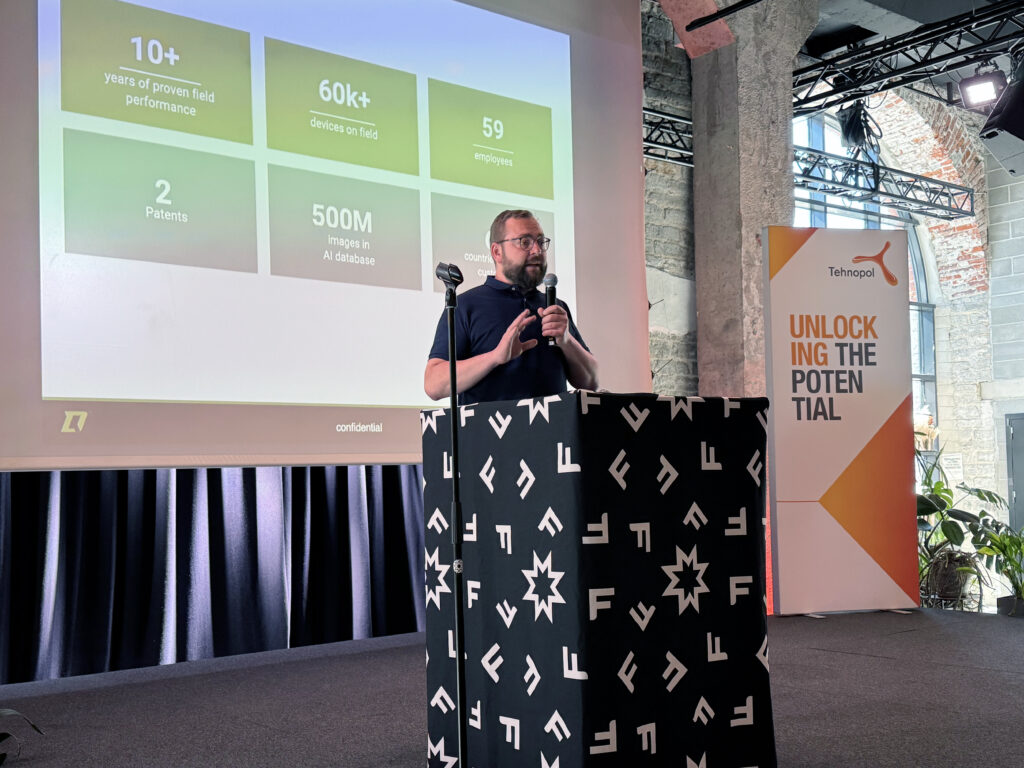
The event opened with a series of insightful keynotes from experts in the field of dual-use technology and security, such as Dr. Mart Noorma from NATO CCDCOE and Marleen Rootamm, who gave an overview of NATO’s DIANA initiative.
Laura Toodu from DefSecIntel Solutions and Tauri Tuubel of Defendec shared their success stories on defence innovation and startup–state collaboration. Finally, some of the participating corporates had the chance to pitch on stage to the startups on-site.
Real Business Opportunities Through Matchmaking
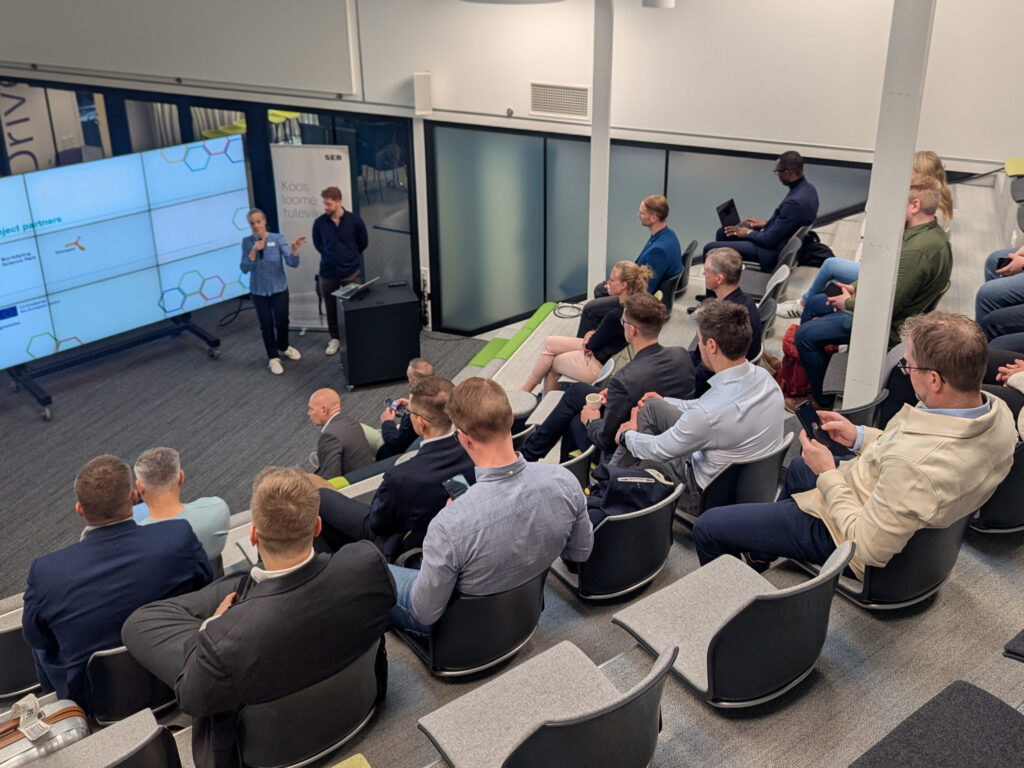
The second day was dedicated to 75 curated one-on-one meetings between the scaling companies and the corporates, where real opportunities for collaboration were explored.
“The matchmaking process is quite extensive. We begin by activating the right partner and person within the corporation. From there, we gather their innovation needs through our assessment process and dive deeper into what they’re seeking in a startup. Next, we scout startups with the right technology and match them with the corporations,” explains Arwin Zendehrokh, Project Manager at Ignite Sweden. “It’s a qualitative process designed to ensure that the match has real business potential.“
“This is a unique opportunity to meet these corporations and the right people at the right place,” says Elin Sandahl, co-founder and Business Developer at the Swedish startup Norgald, which develops a platform, Elvira, that secures cyber-physical systems.
“In-person meetings are especially helpful because you discover collaboration opportunities you might not have known about otherwise and gain a better understanding of the actual challenges and needs of the corporations,” she adds.
“The matchmaking meetings went quite well. We have already agreed on follow-ups, which means they’ve been quite successful,” says Andy Viikmaa, CEO of Trackdeep, an Estonian scaling company focused on drone detection systems.
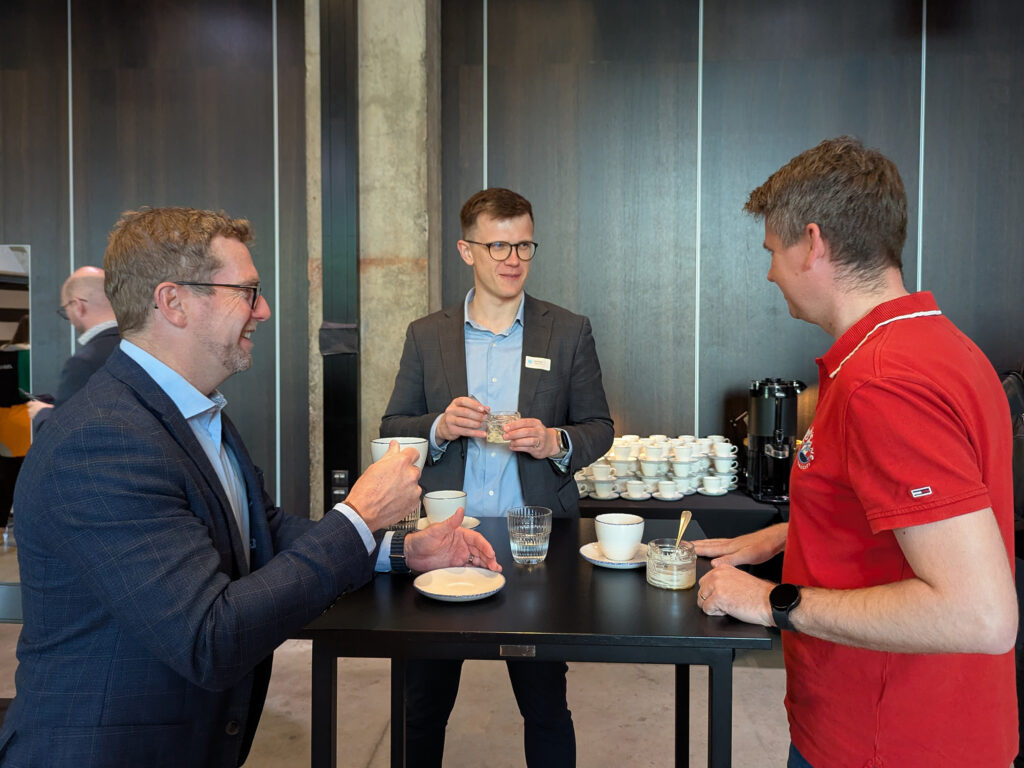
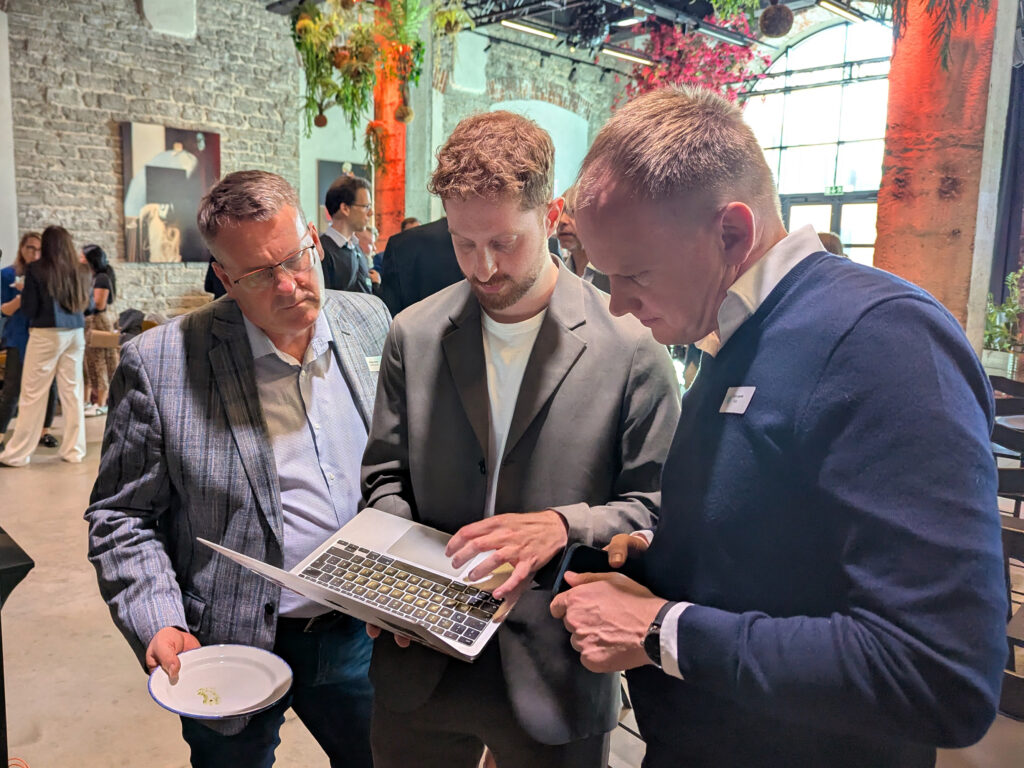
Among participating corporates were Enefit and Elomatic, and they were impressed by the quality of the startups involved.
“I personally like face-to-face meetings with new people, especially with startups in their early beginning, as they have so many great ideas to catch up with,” says Jukka Turunen, from the Finnish company Elomatic.
Kaisa Einsok, Discovery Manager at the Estonian energy company Enefit, thinks that startups are very good at shaking up the corporate world and understanding customer needs.
“They give us a new understanding of what is important currently because the startup community reflects very well the kinds of problems to solve. For example, during the energy crisis, we saw a lot of energy startups rising and making money. Now we see it in the defense industry.”
Looking Toward Future Cross-Border Partnerships
As the final ScaleAble matchmaking event concludes, the impact of the cross-border partnerships forged during this time will continue to unfold.
“Finland is such a small country and there aren’t many big companies in our area. This Cross Baltic opportunity enables us to communicate with other big companies in the nearby countries as well. So that’s very good,” says Eetu Silvennoinen from the Finnish startup Oinride, which manufactures engineered robots for the mining industry.
“The collaboration between Estonia, Finland, and Sweden should be recognized more,” says Klara Ewald, Project Manager at Norrköping Science Park. “It has great value for all these countries in the long run, both for us as partners and organizations and for the ecosystem. It provides a great way to work cross-border because we’re very close to each other.”
“The ScaleAble project doesn’t end here because we definitely want to push these collaborations forward to achieve successful outcomes,” concludes Martin Goroško, Business Service Manager at Tehnopol. “The matchmaking events are primarily about generating initial contact and starting negotiations between corporates and startups. In the next phase of the project, we will focus on supporting these startup collaborations to ensure successful outcomes.”